- Free Consultation: (630) 527-4177 Tap Here to Call Us
















Are Backup Cameras Making Cars Safer?


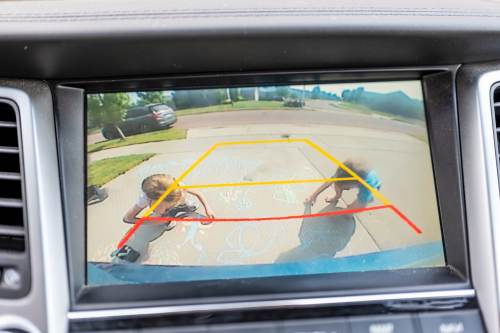
Backup cameras have quickly become one of the most common safety features in modern vehicles. Once considered a luxury, they are now required in all new cars sold in the United States. These systems are designed to help drivers see what is behind them when reversing, an area that has historically been one of the most dangerous blind spots on a vehicle.
But how effective are backup cameras in preventing accidents? And are they enough on their own to keep drivers and pedestrians safe? Understanding the benefits, and limitations, of backup cameras is essential for drivers and for anyone involved in a car accident.
“Backup cameras are an important safety advancement, but they are not a substitute for attentive driving. We often see cases where drivers relied too heavily on technology and failed to check their surroundings. Safe driving still depends on the person behind the wheel.” — John J. Malm, Naperville backover accident attorney
Why Backup Cameras Became Mandatory
Backup cameras were not always standard equipment. However, due to the number of injuries and fatalities caused by “backover” accidents, federal regulators stepped in. In 2018, the National Highway Traffic Safety Administration (NHTSA) required all new vehicles under 10,000 pounds to include rear visibility technology, most commonly backup cameras.
The Problem They Were Designed to Solve
- Backover crashes occur when a vehicle reverses into a person or object
- These accidents often happen in driveways or parking lots
- Young children and elderly individuals are the most vulnerable
Before the mandate:
- Approximately 267 people were killed and 15,000 injured annually in backover crashes
- Nearly one-third of fatalities involved children under five
These numbers made it clear that traditional mirrors alone were not enough to ensure rear visibility.
How Backup Cameras Improve Safety
Backup cameras significantly enhance a driver’s ability to see behind their vehicle, reducing blind zones that mirrors cannot cover.
Key Safety Benefits
- Provide a clear view directly behind the vehicle
- Help detect small children, pets, and obstacles
- Reduce reliance on mirrors alone
- Improve precision when parking
Research shows that backup cameras can reduce rear blind zones by up to 90%, dramatically improving visibility. This expanded field of view is especially important in larger vehicles like SUVs and trucks, which tend to have larger blind spots.
The Real Impact: Are Backup Cameras Preventing Accidents?
There is strong evidence that backup cameras are saving lives—particularly among vulnerable populations.
Measurable Safety Outcomes
- NHTSA estimates backup cameras could save 58 to 69 lives per year
- Children under age five account for over 30% of backover fatalities, highlighting the importance of improved visibility
- Elderly individuals (70+) account for another 26% of fatalities
In addition, as of recent estimates, 70–75% of vehicles on the road now have backup cameras, increasing overall roadway safety.
Why They Work
Backup cameras address a critical gap in driver awareness: the area directly behind the vehicle that is often completely invisible using mirrors alone.
The Limitations of Backup Cameras
Despite their benefits, backup cameras are not a perfect safety solution. In fact, overreliance on them can create new risks.
Key Limitations to Understand
- Limited field of view
- Cameras typically show only what is directly behind the vehicle
- They may miss objects approaching from the side
- Driver inattention
- Many accidents occur because drivers fail to look at the screen
- Cameras require active use, they do not automatically prevent crashes
- Environmental conditions
- Rain, snow, dirt, or glare can obscure the image
- Poor lighting can reduce visibility at night
- No automatic braking
- Unlike newer systems, backup cameras do not stop the vehicle
- They only provide visual information
- Distorted perception
- Wide-angle lenses can make objects appear farther away than they are
Studies emphasize that backup cameras are most effective only when drivers actively use them and remain attentive.
Common Causes of Backup Camera-Related Accidents
Even with advanced technology, accidents still happen, often due to human error.
Frequent Contributing Factors
- Failing to check mirrors in addition to the camera
- Overreliance on the camera system
- Distracted driving while reversing
- Misjudging distance due to camera distortion
- Dirty or obstructed camera lenses
In many cases, accidents occur not because the technology failed—but because it was not used properly.
Backup Cameras vs. Other Safety Technologies
Backup cameras are just one piece of a broader vehicle safety system.
Additional Technologies That Enhance Safety
- Rear parking sensors
- Rear automatic emergency braking (AEB)
- Cross-traffic alerts
- 360-degree camera systems
Experts recommend combining backup cameras with these features for layered protection, as no single system can eliminate all risks.
Legal Implications of Backup Camera Use
Backup cameras can also play a role in personal injury claims.
How They Affect Liability
- Drivers are still responsible for maintaining awareness
- Failure to use a backup camera properly may be considered negligence
- Evidence may include:
- Vehicle data
- Witness statements
- Surveillance footage
Importantly, having a backup camera does not excuse careless driving. Courts and insurance companies expect drivers to use all available safety tools responsibly.
Who Benefits Most from Backup Cameras?
While all drivers benefit from backup cameras, certain groups see the greatest impact.
High-Risk Situations
- Parents with young children
- Elderly pedestrians
- Urban drivers navigating tight parking spaces
- Drivers of SUVs, trucks, and vans
- Parking lots and residential driveways
These environments are where backover accidents are most likely to occur.
Best Practices for Using a Backup Camera Safely
To maximize safety, drivers should treat backup cameras as a supplement, not a replacement, for safe driving habits.
Safe Driving Tips
- Always check mirrors and turn your head before reversing
- Use the camera as an additional tool, not your only reference
- Clean the camera lens regularly
- Move slowly when backing up
- Be especially cautious in driveways and parking lots
Combining these habits with camera use significantly reduces the risk of accidents.
Frequently Asked Questions about Backup Cameras
Q: Are backup cameras required in all vehicles?
A: Yes. As of 2018, all new vehicles sold in the United States must include rear visibility technology, typically a backup camera.
Q: Do backup cameras prevent all backover accidents?
A: No. While they significantly improve visibility, they do not eliminate blind spots or replace safe driving practices.
Q: How effective are backup cameras?
A: They can reduce blind zones by up to 90% and are estimated to save dozens of lives each year.
Q: Can I rely only on my backup camera?
A: No. Drivers should always check mirrors and physically look behind them when reversing.
Q: What should I do if my backup camera isn’t working?
A: Have it repaired immediately. A malfunctioning camera can increase your risk of an accident and may affect liability in a crash.
Contact the 5-Star Rated Illinois Car Accident Lawyers at John J. Malm & Associates
Backup cameras have made vehicles safer and have helped reduce tragic backover accidents, especially those involving children and vulnerable pedestrians. The data clearly shows that improving rear visibility saves lives. However, technology alone is not enough. Backup cameras are tools, not replacements, for careful driving. When drivers become distracted or overly reliant on these systems, the risk of accidents remains.
If you or a loved one has been injured in a car accident involving a reversing vehicle or a failure to maintain proper awareness, you may be entitled to compensation. These cases often involve complex questions about driver responsibility and vehicle safety systems.
At John J. Malm & Associates, we have extensive experience handling car accident claims throughout Illinois. We understand how to investigate these cases, determine liability, and fight for the compensation our clients deserve.
If you’ve been injured in a backup-related accident, don’t wait. Contact our firm today for a free consultation and let us help you protect your rights and your future.