

EXPERIENCED PERSONAL INJURY ATTORNEYS













Illinois Stairway Accident Lawyers
Injury Attorneys for Falls Caused By Broken and Defective Stairs
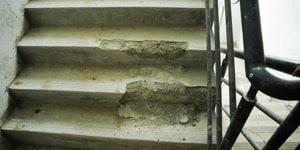
While stairways are a common part of everyday life, they can become dangerous hazards when poorly maintained, improperly constructed, or encountered by individuals with physical limitations. At John J. Malm & Associates, we have seen firsthand how a single stairway accident can change a person’s life in an instant. What may seem like a simple fall is often the result of preventable hazards like poor lighting, broken handrails, uneven steps, or neglected maintenance that property owners failed to correct.
Our Illinois injury firm is dedicated to holding negligent property owners accountable and helping injured victims recover full and fair compensation. With decades of experience handling premises liability and slip and fall cases throughout Illinois, we understand the medical, financial, and emotional toll stairway accidents take on victims and their families, and we are committed to protecting their rights every step of the way.
“Every stairway accident we investigate is a painful reminder that one moment of negligence by a property owner can lead to life-altering injuries. Our goal is to help victims secure the justice and compensation they deserve.” — John J. Malm, Naperville premises liability attorney
Overview of Stairway Accidents
Falls remain one of the leading causes of accidental injury and death across all age groups in the U.S., and stairway falls are among the most frequent scenarios for serious injuries. National data show that nearly one million people receive emergency treatment for stair-related injuries each year in the United States.
According to various sources:
- Stairs, ramps, landings, and floors accounted for about 2.7 million injuries in 2023 within the home, structures, and construction category.
- Stair falls contribute to a significant percentage of all fall-related emergency room visits.
- National research indicates stair-related injuries are one of the most frequent mechanisms of fall injuries across age groups.
While Illinois does not have a centralized annual public report specific to stairway falls, state slip and fall data indicate that a large share of older adults’ reported falls occur on or near stairs, accounting for over 20% of fall accidents occurring in homes involving stairways.
Who Is Most at Risk?
Stairway accidents can injure individuals of any age, but several high-risk groups stand out:
Elderly Adults
- Adults 65 and older represent the highest risk group for stairway injuries, with older adults experiencing higher injury and hospitalization rates after a stair fall.
- About 45–72% of stair injuries nationwide occur among people aged 65 or older, underscoring age-related susceptibility due to balance issues, decreased muscle strength, and vision changes.
Younger Children
- Children under five also experience stair-related injuries, with pediatric stair falls comprising a notable share of ER-treated injuries.
Middle-Aged Adults
- People aged 11 to 60 account for the majority of emergency visits for stair injuries, although they typically sustain less severe outcomes compared to older adults.
Other High-Risk Profiles
- Individuals with mobility limitations, visual impairments, or certain disabilities have an elevated risk.
- Women may be slightly more likely than men to suffer a stair injury in some national datasets.
Common Causes of Stairway Accidents in Illinois
Stairway falls in Illinois often stem from a mixture of environmental, human, and maintenance-related factors. Common causes include:
Environmental and Structural Hazards
- Poor lighting that obscures step edges increases the risk of missteps.
- Missing or broken handrails eliminate a critical safety feature that helps users maintain balance.
- Uneven steps or variations in riser height make gait patterns unpredictable and increase trip hazards.
- Slippery surfaces from water, snow, ice, or worn tread surfaces are well-documented contributors to stair accidents.
Maintenance and Design Failures
- Structural defects in stairways, such as cracked steps or deteriorating materials, directly contribute to falls.
- Improper staircase design, such as inconsistent tread depth or excessive rise height, undermines safe stair use.
Human Factors
- Distraction, rushing, or carrying items on stairs increases fall risk.
- Alcohol use can contribute to impaired judgment and balance during stair descent or ascent, significantly increasing the likelihood of injury.
Types of Injuries From Stairway Falls
Stairway accidents can result in a wide range of injuries, from minor to life-threatening:
Soft Tissue Injuries
- Bruises, sprains, and strains often occur when a person slips or tumbles down steps.
Fractures
- Fractures of the arms, legs, hips, or ankles are common, especially among older adults.
Head and Neck Injuries
- Falls down stairs can result in concussions or other traumatic brain injuries.
Spinal Cord Injuries
- Severe falls can damage the spinal cord, leading to partial or total paralysis.
Other Severe Outcomes
- Internal bleeding, deep lacerations, and, in some cases, fatal outcomes are documented in stairway injury statistics.
Impact of Stairway Accidents
Stairway accidents often have consequences that extend far beyond the initial injury. While some falls result in bruises or sprains, many lead to serious and life-altering injuries that require extensive medical treatment, prolonged recovery, and long-term lifestyle adjustments. For victims, the physical pain is frequently compounded by emotional distress, financial strain, and a loss of independence.
Medical costs can escalate quickly after a stairway fall. Emergency room treatment, diagnostic imaging, surgery, hospitalization, physical therapy, and prescription medications can place an overwhelming burden on injured individuals and their families. Older adults, in particular, are more likely to suffer fractures, such as hip, leg, or wrist fractures, that require surgical intervention and lengthy rehabilitation. In severe cases, victims may need assistive devices, home modifications, or long-term care services.
The emotional and psychological impact of stairway accidents is often overlooked but can be just as significant as physical injuries. Victims may experience anxiety, depression, fear of falling again, or post-traumatic stress following a serious fall. For elderly individuals, a stairway accident can result in a permanent loss of confidence and independence, forcing them to rely on others for daily activities they once handled on their own.
When a stairway accident is caused by negligent property maintenance or unsafe conditions, these consequences are not just unfortunate; they are preventable. Holding responsible parties accountable is not only about financial compensation; it is also about promoting safer conditions and preventing similar injuries from happening to others in the future.
Legal Options in Illinois for Liability in Stairway Accidents
In Illinois, stairway accident claims typically fall under premises liability law, which holds property owners and occupiers responsible for maintaining reasonably safe conditions.
Property Owner Duties
Property owners must:
- Maintain stairways free from hazards.
- Install and maintain proper lighting and handrails.
- Inspect and repair structural defects.
Failure to meet these duties can lead to liability if someone is injured as a result.
Statute of Limitations
- In Illinois, the statute of limitations for most personal injury actions is two years from the date of the injury. Timely action is essential to preserve the right to seek compensation.
Comparative Fault
Illinois follows a comparative negligence system. If an injured person is partially at fault for their fall, their compensation may be reduced proportionally, but they can still recover so long as they are less than 50% at fault.
Governmental Defenses
If the accident occurred on government-owned property, special notice requirements and immunities under the Local Governmental and Governmental Employees Tort Immunity Act may apply.
What to Do After a Stair Accident in Illinois
The steps you take immediately after a stairway accident can significantly affect both your physical recovery and your ability to pursue a successful legal claim. Even if your injuries seem minor at first, it is important to act carefully and deliberately.
Seek Medical Attention Right Away
Your health should always be the top priority. Falls on stairs often result in injuries that are not immediately obvious, such as concussions, internal bleeding, or soft tissue damage that worsens over time. Seeking prompt medical care creates a medical record that links your injuries directly to the accident, an essential component of any personal injury claim.
Report the Accident to the Property Owner or Manager
Notify the property owner, landlord, business operator, or building manager as soon as possible. Ask that an incident report be completed and request a copy for your records. If the accident occurred at an apartment complex, workplace, store, or public building, this documentation can help establish when and where the fall occurred.
Document the Stairway Conditions
If you are physically able, or with the help of someone you trust, take photographs or videos of the stairway as soon as possible. Be sure to capture:
- Broken or missing handrails
- Poor lighting or burned-out bulbs
- Uneven, cracked, or loose steps
- Wet, icy, or slippery surfaces
- Worn or missing stair treads
Hazardous conditions are often repaired quickly after an accident, making early documentation critical.
Preserve Evidence and Clothing
Do not throw away the shoes or clothing you were wearing at the time of the fall. These items may later be used as evidence to counter claims that improper footwear caused the accident. Keep them in the same condition they were in immediately after the fall.
Gather Witness Information
If anyone saw the accident or the hazardous stairway conditions, obtain their names and contact information. Independent witness testimony can be invaluable in confirming how the accident occurred and establishing negligence.
Avoid Giving Recorded Statements
Insurance companies and property owners may contact you shortly after the accident and request a recorded statement. You are not required to provide one. Statements given without legal guidance can be taken out of context or used to minimize your claim. It is best to speak with an experienced Illinois personal injury attorney before discussing the accident with insurers.
Follow Medical Advice and Attend All Appointments
Failing to follow your doctor’s treatment plan can be used against you by insurance companies to argue that your injuries are not serious or were made worse by your own actions. Consistent medical care helps protect both your health and your claim.
Contact an Experienced Illinois Stairway Accident Attorney
Consulting a knowledgeable defective premises injury lawyer as soon as possible allows evidence to be preserved, deadlines to be met, and liability to be properly investigated. An attorney can identify responsible parties, handle communications with insurers, and pursue compensation for medical expenses, lost income, pain and suffering, and long-term care needs.
Taking these steps after a stairway accident not only protects your well-being, it also strengthens your ability to hold negligent property owners accountable and recover the compensation you deserve.
Frequently Asked Questions about Stairway Accidents
Q: Are stair falls common in Illinois homes?
A: Yes. Slip and fall data indicates that a significant share of fall accidents in Illinois homes occur on or near stairs, particularly among older adults.
Q: Can I recover compensation if I was partly at fault?
A: Yes. Under Illinois comparative negligence law, you may still recover compensation, though your award may be reduced by your percentage of fault.
Q: Is there a deadline to file a stairway accident claim?
A: Yes. Most personal injury claims in Illinois must be filed within two years of the date of the accident, or you risk losing your right to compensation.
Q: What types of damages can I recover?
A: Damages may include:
- Medical expenses
- Lost wages
- Pain and suffering
- Rehabilitation costs
- Permanent disability compensation
Contact the Top-Rated Illinois Stair Fall Accident Attorneys at John J. Malm & Associates
Stairway accidents in Illinois can happen anywhere: at home, at work, in transit stations, or in commercial buildings. The consequences of a fall can be immediate and devastating, often resulting in costly medical treatment, long-term rehabilitation, and lasting pain. When negligence contributes to unsafe stair conditions, victims deserve justice and financial recovery to rebuild their lives.
If you or a loved one has suffered a stairway injury due to unsafe conditions or negligent maintenance, do not wait. Evidence can disappear, and deadlines to file legal claims are strict under Illinois law. Our experienced Illinois trip and fall accident attorneys understand how to investigate stairway accidents, document negligence, and fight for the compensation you need to cover medical bills, lost income, and your future well-being.
Contact John J. Malm & Associates today for a free consultation. Let us stand with you, help you understand your legal rights, and pursue the full compensation you deserve. Your recovery begins with the right legal support.