

EXPERIENCED PERSONAL INJURY ATTORNEYS








3-Wheeled Motorcycle Accident Lawyers
Trusted Injury Attorneys for Trike Riders
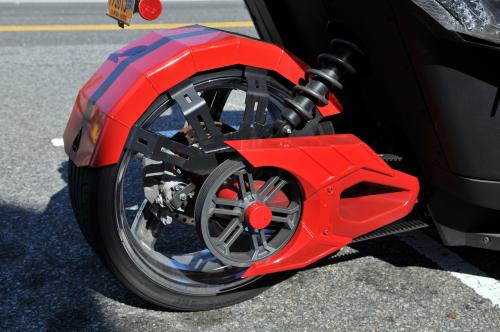
Three-wheeled motorcycles, commonly referred to as “trikes”, have grown in popularity across Illinois and the United States. Marketed as a more stable alternative to traditional two-wheeled motorcycles, these vehicles appeal to older riders, new riders, and those seeking additional balance and comfort. However, despite their perceived safety advantages, three-wheeled motorcycles present unique dangers that can lead to serious and even fatal accidents.
At John J. Malm & Associates, we represent individuals and families affected by motorcycle crashes, including those involving trikes. These cases often involve complex liability issues, severe injuries, and significant financial losses. Understanding how and why these accidents occur is critical for protecting your rights after a crash.
“Three-wheeled motorcycles may offer a different riding experience, but they do not eliminate the dangers riders face on the road. When accidents happen, the injuries are often severe, and victims need strong legal advocacy to recover the compensation they deserve.” — John J. Malm, Naperville motorcycle accident lawyer
What Is a 3-Wheeled Motorcycle?
A three-wheeled motorcycle is a motor vehicle with either:
- Two wheels in the front and one in the rear (e.g., reverse trikes like the Can-Am Spyder)
- One wheel in the front and two in the rear (traditional trike configuration)
Unlike standard motorcycles, many trikes do not require the rider to lean into turns. While this may seem like a safety benefit, it introduces different handling characteristics that can increase accident risk under certain conditions.
Are 3-Wheeled Motorcycles Safer?
There is a common misconception that three-wheeled motorcycles are significantly safer than two-wheeled bikes. While they may offer increased stability at low speeds, the reality is more nuanced.
Motorcycles, including trikes, are inherently less crashworthy than passenger vehicles. According to the Insurance Institute for Highway Safety:
- Motorcycles have a fatality rate far higher than passenger vehicles per mile traveled
- Riders lack protective barriers such as seatbelts, airbags, and enclosed frames
Additionally, research shows that three-wheeled vehicles:
- Have reduced stability compared to four-wheeled vehicles
- Often lack modern safety features
- Are more vulnerable to rollover and tipping in certain scenarios
In short, while trikes may feel safer, they still expose riders to significant risk.
Key Statistics on Motorcycle and Trike Accidents
Although specific national data on three-wheeled motorcycles is limited, broader motorcycle statistics provide important insight into the risks.
- 6,218 motorcyclists were killed in crashes in 2022 in the United States
- Motorcyclists have a fatality rate of 31.39 per 100 million miles traveled, far higher than passenger vehicles
- Over 82,000 motorcyclists were injured in 2023 alone
- Motorcycle crashes account for a disproportionate share of traffic fatalities relative to their numbers on the road
These statistics are especially concerning when applied to trikes, which may introduce additional stability and handling challenges.
Unique Dangers of 3-Wheeled Motorcycles and Trikes
Three-wheeled motorcycles behave differently than both cars and traditional motorcycles. These differences can create hazardous situations, particularly for inexperienced riders.
1. Turning and Handling Limitations
Unlike two-wheeled motorcycles, trikes typically do not lean into turns. This creates:
- Increased risk of rollover during sharp turns
- Difficulty maintaining control at higher speeds
- Greater reliance on steering rather than body positioning
2. Wider Footprint
Trikes are wider than traditional motorcycles, which can lead to:
- Misjudging lane positioning
- Collisions with nearby vehicles
- Increased risk in tight traffic conditions
3. Reduced Visibility to Other Drivers
Like all motorcycles, trikes are:
- Less visible than passenger vehicles
- More likely to be overlooked at intersections
- Frequently involved in “failure to yield” accidents
4. False Sense of Security
Many riders believe trikes are inherently safer, which can lead to:
- Overconfidence
- Riskier driving behavior
- Failure to take proper safety precautions
5. Limited Crash Protection
Even with three wheels, riders remain exposed:
- No airbags or reinforced structure
- Increased risk of ejection
- Direct impact exposure during collisions
Common Causes of 3-Wheeled Motorcycle Accidents
Like other motor vehicle crashes, trike accidents are often caused by negligence.
Driver-Related Causes
- Distracted driving
- Speeding
- Driving under the influence
- Inexperience with trike handling
Other Motorists
- Failure to yield
- Unsafe lane changes
- Left-turn accidents
- Following too closely
Road Conditions
- Uneven pavement
- Gravel or debris
- Poorly marked construction zones
- Wet or icy roads
Vehicle Issues
- Brake failure
- Tire defects
- Steering malfunctions
Types of 3-Wheeled Motorcycle Accidents
Certain crash types are more common with trikes due to their design.
- Rollover accidents during sharp turns
- Intersection collisions involving failure to yield
- Rear-end crashes due to visibility issues
- Sideswipe accidents caused by width misjudgment
- Single-vehicle crashes involving loss of control
Common Injuries in Trike Accidents
Because riders are largely unprotected, injuries tend to be severe.
Frequent Injuries Include:
- Traumatic brain injuries (TBI)
- Spinal cord injuries and paralysis
- Broken bones and fractures
- Road rash and severe abrasions
- Internal bleeding and organ damage
Even with helmet use, motorcyclists remain highly vulnerable. The lack of structural protection significantly increases injury severity compared to occupants in passenger vehicles.
Who Is Liable in a 3-Wheeled Motorcycle Accident?
Determining liability in a trike accident often requires a detailed investigation.
Potentially Responsible Parties:
- Negligent drivers
- Commercial vehicle operators
- Manufacturers (for defective parts)
- Government entities (for unsafe roads)
Illinois follows a modified comparative negligence rule, meaning your compensation may be reduced if you are partially at fault.
Challenges in 3-Wheeled Motorcycle Accident Claims
Trike accident cases present unique legal and evidentiary challenges.
Common Issues Include:
- Bias against motorcyclists
- Misconceptions about rider responsibility
- Limited data on trike-specific crashes
- Complex accident reconstruction
Insurance companies often attempt to shift blame onto riders, making experienced legal representation essential.
Frequently Asked Questions about 3-Wheeled Motorcycle Accidents
Q: Are 3-wheeled motorcycles safer than regular motorcycles?
A: Not necessarily. While they may provide more stability at low speeds, they introduce different risks such as rollover potential and handling challenges.
Q: Do I need a motorcycle license to operate a trike in Illinois?
A: Yes. Illinois generally requires a motorcycle endorsement, though specific requirements may vary depending on the vehicle.
Q: What compensation can I recover after a trike accident?
A: You may be entitled to compensation for:
- Medical expenses
- Lost wages
- Pain and suffering
- Disability or disfigurement
- Future medical care
Q: How is fault determined in a motorcycle accident?
A: Fault is determined based on evidence such as:
- Police reports
- Witness statements
- Accident reconstruction
- Traffic camera footage
Q: What if I was partially at fault?
A: Under Illinois law, you can still recover compensation as long as you are less than 50% at fault, though your recovery will be reduced proportionally.
Contact the Top Illinois Trike Accident Attorneys at John J. Malm & Associates
Three-wheeled motorcycle accidents can result in devastating injuries, overwhelming medical bills, and long-term consequences for victims and their families. While these vehicles may offer a different riding experience, they do not eliminate the inherent dangers of the road. When negligence is involved, whether by another driver, a manufacturer, or a government entity, you have the right to pursue compensation.
At John J. Malm & Associates, we understand the complexities of motorcycle accident litigation, including cases involving trikes. We work tirelessly to investigate the cause of your crash, gather critical evidence, and build a strong case on your behalf. Our goal is simple: to secure the maximum compensation you need to recover and move forward.
If you or a loved one has been injured in a 3-wheeled motorcycle accident, do not wait to seek legal help. Contact our office today for a free consultation. We are ready to stand by your side, protect your rights, and fight for the justice you deserve.