

EXPERIENCED PERSONAL INJURY ATTORNEYS












Illinois Falling Debris Construction Accident Lawyers
Award-Winning Attorneys for Workers Struck By Falling Objects on the Jobsite
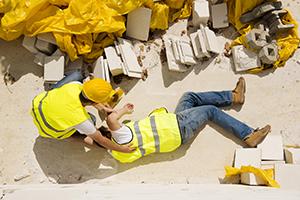
Construction sites are among the most dangerous workplaces in the United States, and one of the leading causes of serious injury is falling debris. Whether it’s a dropped tool, unsecured building material, or a collapsing structure, falling objects can cause catastrophic harm to workers, pedestrians, and bystanders alike.
According to federal safety data, “struck-by” incidents, many involving falling objects, are one of the leading causes of construction fatalities, accounting for a significant percentage of deaths each year. Even more concerning, falling objects are responsible for a substantial share of these incidents, making them a persistent and preventable hazard on construction sites.
“Falling debris accidents are some of the most preventable tragedies we see in construction injury cases. When companies cut corners on safety, whether it’s failing to secure materials or ignoring OSHA requirements, it’s workers and innocent bystanders who pay the price.” – John J. Malm, Naperville construction accident attorney
What Are Falling Debris Construction Accidents?
Falling debris accidents occur when objects such as tools, materials, or structural components fall from a height and strike a worker or bystander. These incidents can happen on active construction sites, near scaffolding, or even on public sidewalks adjacent to construction zones.
Common sources of falling debris include:
- Tools dropped from scaffolding or ladders
- Loose construction materials like bricks, steel, or wood
- Equipment falling from cranes or lifts
- Debris dislodged during demolition
- Building components such as glass, roofing, or façade materials
The danger is not limited to great heights. Even objects falling from relatively low elevations can cause severe injuries, especially if they strike the head or neck.
Construction Accident Statistics Involving Falling Debris
Falling debris incidents are part of a broader category of “struck-by” accidents, which remain a major cause of injury and death in construction.
- Struck-by incidents account for approximately 14%–19% of construction fatalities in the U.S.
- About 16.3% of all construction deaths involve being struck by an object
- 38% of struck-by incidents involve falling objects
- 230 construction workers were killed by falling objects in a recent year
- Approximately 15,000 nonfatal struck-by injuries occur annually in construction
- Nearly all nonfatal struck-by injuries (about 96%) involve falling or flying objects or equipment
- OSHA estimates tens of thousands of falling-object incidents occur annually, with injuries happening as frequently as every 10 minutes
These numbers underscore a critical reality: falling debris accidents are not rare; they are a predictable and preventable hazard.
Common Causes of Falling Debris Accidents
Falling object incidents often result from a combination of unsafe practices, poor supervision, and inadequate safety systems.
Frequent Causes
- Improperly secured tools or materials
- Tools not tethered or stored properly
- Materials stacked unsafely
- Lack of protective systems
- Missing guardrails, toe boards, or netting
- Absence of debris containment systems
- Human error
- Dropping tools or equipment
- Inadequate training or supervision
- Equipment failure
- Crane malfunctions
- Faulty rigging or lifting mechanisms
- Weather conditions
- High winds dislodging materials
- Rain or ice causing instability
- Poor site management
- Lack of communication between workers
- Failure to enforce safety protocols
Federal safety agencies emphasize that falling objects can originate from cranes, scaffolds, rooftops, or even ground-level equipment, and the severity of injury increases with the height and weight of the object.
Types of Injuries Caused by Falling Debris
Falling debris accidents often result in severe or life-threatening injuries due to the force of impact.
Common Injuries
- Traumatic brain injuries (TBI)
- Skull fractures and concussions
- Spinal cord injuries and paralysis
- Neck and back injuries
- Broken bones and crush injuries
- Internal organ damage
- Lacerations and permanent scarring
- Wrongful death
Even relatively small objects can cause devastating harm. The combination of gravity, weight, and impact force makes falling debris particularly dangerous.
Who Is at Risk?
While construction workers face the highest risk, falling debris accidents often affect others as well.
At-Risk Groups
- Construction workers on-site
- Subcontractors and tradespeople
- Pedestrians walking near construction zones
- Drivers passing by construction areas
- Residents living near active construction
Urban construction sites, in particular, pose a risk to the public when safety barriers and overhead protection are inadequate.
OSHA Regulations and Safety Requirements
The Occupational Safety and Health Administration (OSHA) has established strict regulations to prevent falling object injuries. Employers are required to implement safety measures designed to protect workers and the public.
Key OSHA Safety Requirements
- Provide hard hats and personal protective equipment (PPE)
- Install toe boards, screens, or guardrails on elevated platforms
- Use debris nets or catch platforms
- Secure tools and materials to prevent falling
- Restrict access to hazardous areas below overhead work
- Properly train employees on safety procedures
Despite these regulations, violations remain common. Many falling debris accidents occur because contractors fail to follow basic safety protocols.
Liability in Falling Debris Construction Accidents
Determining liability in a falling debris case can be complex. Multiple parties may be responsible, depending on the circumstances.
Potentially Liable Parties
- General contractors
- Subcontractors
- Property owners
- Equipment manufacturers
- Site managers or supervisors
Construction sites often involve multiple companies working simultaneously. When safety rules are ignored, more than one party may share responsibility for an accident.
Workers’ Compensation vs. Personal Injury Claims
If you are injured on a construction site, your legal options may include more than just workers’ compensation.
Workers’ Compensation
- Covers medical expenses and lost wages
- Does not require proof of fault
- Typically limits your ability to sue your employer
Third-Party Personal Injury Claims
You may have a personal injury claim if:
- A subcontractor caused the accident
- Defective equipment contributed to the injury
- A property owner failed to maintain safe conditions
These claims can allow you to recover additional damages, including:
- Pain and suffering
- Loss of normal life
- Future medical expenses
- Full lost income
Frequently Asked Questions about Falling Debris Construction Accidents
Q: What should I do if I’m injured by falling debris on a construction site?
A: Seek immediate medical attention, report the incident, and document everything. You should also consult an experienced Illinois construction injury attorney to understand your legal rights.
Q: Can pedestrians file a claim for falling debris injuries?
A: Yes. If you were injured near a construction site, you may have a personal injury claim against the responsible parties.
Q: Is my employer automatically liable for my injury?
A: Not always. Workers’ compensation typically applies, but third-party claims may exist if another company or contractor caused the accident.
Q: What damages can I recover in a falling debris case?
A: You may be entitled to compensation for:
- Medical expenses
- Lost wages
- Pain and suffering
- Disability or disfigurement
- Future care needs
Q: Do I need a lawyer for a construction accident case?
A: Yes. Construction accident cases are often complex and involve multiple parties. An experienced attorney can investigate the case, identify liable parties, and maximize your recovery.
Contact the Respected Illinois Construction Accident Attorneys at John J. Malm & Associates
Falling debris construction accidents can change lives in an instant. What begins as a routine workday or a walk down the street can result in devastating injuries due to someone else’s negligence. Construction companies and contractors have a legal obligation to maintain safe job sites. When they fail to follow safety rules, the consequences can be catastrophic, but victims have rights.
If you or a loved one has been injured in a falling debris accident, the experienced Illinois construction accident attorneys at John J. Malm & Associates are here to help. We understand the complexities of construction injury cases and are committed to holding negligent parties accountable.
Contact us today for a free consultation and let us fight to secure the compensation you deserve.