

EXPERIENCED PERSONAL INJURY ATTORNEYS













DeKalb County, IL Nursing Home Abuse and Neglect Lawyers
Trusted Attorneys for Nursing Home Residents Who Suffer Broken Bones, Bedsores, and Infections
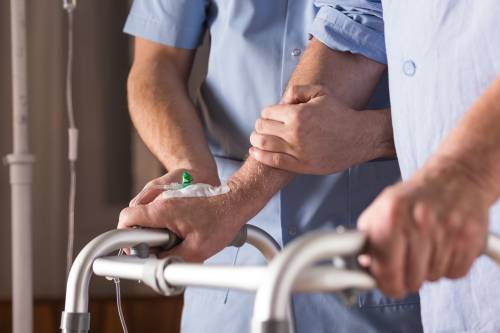
Nursing homes are intended to be safe havens for older adults who require care. When family members make the difficult decision to place a loved one in a nursing home, they expect trained professionals to provide respectful, dignified, and competent care. Unfortunately, too many nursing home residents experience abuse and neglect in these facilities, violations that can cause serious physical harm, emotional trauma, or even death. This is true not only across the United States but right here in DeKalb County, Illinois, where local facilities face ongoing challenges related to staffing, compliance, and quality of care.
Nationally, elder abuse, including in nursing homes, is more prevalent than many realize. According to estimates from the National Center on Elder Abuse, about 1 in 6 adults aged 60 and older report some form of abuse each year, with neglect and exploitation common across institutional settings. Experts also acknowledge that for every case reported, many more go undetected or unreported due to cognitive impairment, fear, or under-reporting by staff.
In Illinois, the problem is not insignificant. Data show that a substantial proportion of nursing homes receive serious care-related citations, and state regulators continue to identify violations linked to neglect and mistreatment. Understanding the scope of these problems and recognizing the warning signs are vital steps toward protecting vulnerable residents in DeKalb County and across the state.
What Constitutes Nursing Home Abuse and Neglect
Abuse in a nursing home is any action, or failure to act, by staff, other residents, or anyone in a position of trust that results in harm, injury, or anguish to a resident. Neglect occurs when a caregiver fails to provide necessary care or meet basic needs, which may be due to ignorance, understaffing, or deliberate indifference.
Common Forms of Nursing Home Abuse
Nursing home abuse takes many forms, including:
- Physical Abuse: Hitting, shaking, improper restraints, or any force that causes pain or injury.
- Emotional or Psychological Abuse: Verbal threats, humiliation, isolation, or manipulation.
- Sexual Abuse: Any non-consensual sexual contact or conduct.
- Financial Exploitation: Unauthorized use of a resident’s finances or property.
- Neglect: Failure to provide food, water, medication, personal hygiene, or supervision.
Indicators of Abuse and Neglect
Signs that a loved one may be suffering from nursing home abuse or neglect include:
- Frequent unexplained injuries (bruises, cuts, fractures)
- Bedsores or pressure ulcers from lack of repositioning
- Signs of malnutrition or dehydration
- Poor hygiene or unsanitary living conditions
- Emotional changes such as withdrawal, fear, and depression
- Sudden changes in finances or unexplained transactions
Recognizing these signs early can mean the difference between catching a problem before it worsens and allowing abusive patterns to continue unchecked.
Nursing Home Abuse and Neglect: The Bigger Picture
National and Statewide Trends
Across the U.S., study after study confirms that nursing home abuse and neglect are systemic issues rather than isolated incidents. A 2025 meta-analysis found that approximately 12% of nursing home residents reported experiences of neglect, while about 12% of staff admitted to neglecting residents. Moreover, 64.2% of long-term care staff reported committing some form of abuse: emotional, physical, or neglect within the past year.
Despite these figures, only a small fraction of incidents are formally reported. Some advocacy groups estimate that only 1 in 14, or even 1 in 24, cases of abuse and neglect are reported to authorities, meaning the true extent of harm may be vastly undercounted.
In Illinois, inspections regularly show a high number of care-related violations, with facilities cited for issues ranging from neglectful care practices to serious safety concerns. During 2023 alone, Illinois nursing homes were cited for 959 serious care-related deficiencies, and additional violations continued to be logged in 2024.
Illinois Staffing Challenges: A Key Factor
One of the most significant contributors to abuse and neglect is staffing shortages. Quality care requires adequate numbers of trained staff, yet as of June 2024, only 108 out of 670 Illinois nursing homes met federal staffing standards. Approximately 60% failed to meet total staffing levels, 41% fell short of registered nurse requirements, and 81% did not meet nursing aide standards.
Understaffing often results in:
- Unanswered call lights and delayed responses
- Residents left without proper supervision
- Skipped meals or missed hydration
- Improper medication administration
- Increased risk of falls, bedsores, infection, and neglect
These conditions not only degrade the quality of life for residents but also contribute directly to situations where abuse and neglect are more likely to occur.
Nursing Homes in DeKalb County: Local Data and Concerns
While state-level statistics paint a concerning picture, it is essential to look at the local context in DeKalb County.
Facility Landscape
DeKalb County hosts several long-term care and skilled nursing facilities serving older adults and medically vulnerable residents. As of early 2025, one of the primary facilities, DeKalb County Rehab & Nursing, had 190 certified beds, with about 108 occupied at the time of inspection.
Inspection and Compliance Issues
Inspection data and quality reports are often key tools for families evaluating care options or identifying potential problems. For example:
- DeKalb County Rehab & Nursing faced documented deficiencies between 2023 and 2025, including an “Immediate Jeopardy” finding, the most serious type of violation indicating potential for serious harm or death.
Such findings suggest that even facilities with solid staffing ratings can have critical safety and compliance issues that directly impact resident well-being.
Why Nursing Home Abuse Happens in DeKalb County Nursing Homes
Understanding why abuse and neglect occur is essential for prevention and accountability. Common root causes include:
Understaffing and Burnout
Staff shortages and high turnover rates lead to overworked caregivers who are unable to meet the needs of residents. Without sufficient personnel, basic care tasks go undone, supervision lapses, and stress increases the likelihood of mistreatment.
Inadequate Training
Caregivers are often required to handle residents with complex medical needs. Without proper training in safe transfer techniques, dementia care, wound management, and communication, mistakes that harm residents can occur.
Poor Oversight and Enforcement
While federal and state laws provide frameworks for ensuring quality care, inspections and enforcement may not catch every violation. Understaffed regulatory agencies or inconsistent enforcement can allow harmful conditions to persist.
Financial Pressures
Some facilities prioritize occupancy and profit margins over care quality, leading to decisions that cut corners on staffing and services essential for resident safety.
Protecting Loved Ones: What Families Can Do
Families and advocates play a crucial role in identifying and stopping abuse or neglect. Practical steps include:
- Regular Visits: Visiting at varying times to observe care firsthand.
- Monitoring Changes: Noting sudden weight loss, mood changes, or hygiene decline.
- Keeping Records: Documenting injuries, complaints, and conversations with staff.
- Checking Inspection Reports: Reviewing federal and state inspection histories.
- Reporting Suspected Abuse: Filing complaints with the Illinois Department of Public Health (IDPH) or Adult Protective Services.
Reporting is vital. Illinois law protects those who report in good faith, and prompt reporting can prevent further harm.
Frequently Asked Questions about Nursing Home Abuse and Neglect in DeKalb County, Illinois
Q: What legal rights do nursing home residents have?
A: Residents have the right to receive competent care, be free from abuse and neglect, and live in a safe, clean environment. They also have the right to report problems without retaliation.
Q: How do I report nursing home abuse or neglect in Illinois?
A: You can report suspected abuse or neglect to the Illinois Department of Public Health (IDPH) by calling 1-800-252-4343 or filing a complaint online. Reports can also be made to Adult Protective Services or via local law enforcement.
Q: What evidence is helpful in an abuse claim?
A: Photos of injuries or unsanitary conditions, medical records, witness statements, and documentation of care patterns can be important evidence.
Q: Can family members take legal action?
A: Yes. Families can pursue a civil lawsuit against facilities and individuals responsible for abuse or neglect to seek compensation for medical costs, pain and suffering, and other damages.
Q: Is abuse always intentional?
A: Not always. Neglect can be unintentional due to understaffing or poor training, but the legal responsibility still lies with the facility to provide adequate care.
Contact the DeKalb County, IL Nursing Home Abuse Lawyers at John J. Malm & Associates
Nursing home abuse and neglect in DeKalb County and across Illinois are serious issues that demand vigilance, understanding, and decisive action. The statistics are stark: millions of older Americans enter long-term care facilities with trust, and too many are later found to be the victims of harm that could have been prevented.
Families must remain informed, observant, and proactive in protecting their loved ones. That includes recognizing the signs of abuse, documenting concerns, reporting violations, and seeking legal guidance when necessary. With experienced legal support, you can ensure that those responsible are held accountable, that residents’ rights are vindicated, and that justice is served for your family.
If a loved one has suffered abuse or neglect in a DeKalb County or Illinois nursing home, don’t wait. Contact our experienced DeKalb County nursing home abuse attorneys today for a free consultation and take the first step toward holding negligent facilities accountable and securing the compensation your family deserves.