- Free Consultation: (630) 527-4177 Tap Here to Call Us











What To Do If You’re Injured In A Short-Term Rental


Short-term rentals offer convenience and unique travel experiences. They also introduce unfamiliar environments and, sometimes, hidden hazards. Injuries in short-term rentals can range from slip and fall accidents and stairway injuries to burns, pool drownings, and food-preparation lacerations. When an injury happens away from home the stakes are higher: medical bills, lost vacation time, and questions about who is responsible for care and compensation. In this blog, we discuss what to do immediately after an injury in a short-term rental, how to preserve evidence and document your claim, common legal issues you will likely face, and how an experienced Illinois premises liability lawyer can help.
“Guests expect safe places to stay. When a short-term rental fails to provide basic safety like secure railings, pool fencing, functioning detectors, the consequences can be immediate and catastrophic. We help injured guests document what happened, identify responsible parties, and pursue compensation for medical care, lost wages, and long-term needs.” — John J. Malm, Naperville premises liability attorney
Why Short-Term Rental Injuries Matter
Injuries in homes and residential settings are a leading driver of emergency-department visits and fatalities, particularly for falls among older adults. In 2023, U.S. emergency departments recorded roughly 155 million visits, of which about 43.5 million were injury-related visits. Falls are a dominant cause of nonfatal injury visits; older-adult falls alone generate about 3 million emergency-department visits annually. These national figures matter for short-term rentals because guests are often unfamiliar with layout, stairways, pools, or hazards that contribute to the same kinds of injuries that occur in private residences.
Industry and safety reviews also show that safety defenses common in hotels like consistent fire-safety checks, on-site staff, and uniform emergency signage are not always present in short-term rental units. Large sample studies of listings report safety gaps: smoke alarms are present in many listings, but other key safety features (CO detectors, fire extinguishers, first-aid kits) are frequently missing or inconsistently reported. That absence increases both the likelihood of preventable injury and the complexity of proving responsibility when an injury occurs.
Finally, specialized hazards, such as private pools, steep or open stairways, residential elevators, and unconventional layouts create unique risks. Fire and drowning incidents in short-term rentals have received special attention in safety reports, including documented pool drownings among children at rental properties. When these hazards exist without adequate warnings or safety devices, the risk of serious injury rises.
Key Sources of Short-Term Rental Liability
Determining who is legally responsible after an injury at a short-term rental depends on how the law in your state treats property owners, managers, and platforms. Typical legal theories include:
- Premises liability against the host or property owner: Hosts who own or control the property have a duty to keep it reasonably safe for invited guests and to warn of known dangers. If a dangerous condition existed and the host knew (or should have known) about it, the host may be liable. This is the most common route for guest injury claims.
- Third-party contractor or property-manager liability: If an outside contractor (pool maintenance, cleaning service) created the hazard or a property manager failed to maintain safety equipment, those parties can also share liability.
- Platform liability (Airbnb/VRBO): Platforms generally contract with hosts and make disclaimers limiting their responsibility; however, platforms may have obligations (insurance or representations) and, in some jurisdictions, face regulatory enforcement when listings violate local safety codes. Platform insurance programs typically focus on host liability and do not substitute for guest medical coverage. Review platform policies carefully and preserve the platform communications.
- Comparative fault/guest conduct: Hosts and insurers commonly argue that a guest’s own carelessness (running on wet floors, ignoring posted warnings, unauthorized party activity) contributed to the injury. Comparative-fault rules in Illinois apportion damages based on each party’s share of fault but thorough documentation and witness accounts rebut opportunistic fault claims.
- Local code and regulatory violation: If a listing lacks required smoke detectors, CO alarms, pool fencing, or other mandated safety features, those violations strengthen a guest’s claim and can create statutory fines or civil liability.
Because responsibility can be shared among multiple actors, early investigation that documents the property, maintenance records, and prior complaints is essential.
Common Injury Scenarios in Short-Term Rentals
- Slip-and-fall on wet tile or poorly lit steps: frequently caused by inadequate lighting, missing handrails, or water left on stairs.
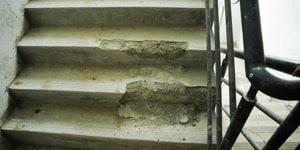
- Stairway and balcony falls: unsecured railings, rotted steps, or poorly constructed balconies can produce catastrophic injuries.
- Pool and drowning incidents: private pools at rental properties can be deadly for children and inexperienced swimmers when fencing, alarms, or warnings are absent. Safety reviews have documented multiple rental-property drowning incidents.
- Carbon monoxide, fire, or appliance injuries: absent CO detectors, faulty furnaces, or improper wiring can cause poisoning or burns.
- Cuts, burns, or lacerations in kitchens: unmaintained appliances or broken glassware can cause injuries during routine cooking.
Anticipating these scenarios helps guests and hosts focus prevention and documentation efforts.
Immediate Steps to Take at the Scene
If you or a family member is injured in a short-term rental, act methodically. Immediate actions both protect your health and preserve evidence that matters later for insurance or legal claims.
- Prioritize medical care: Call 911 for serious injuries (unconsciousness, heavy bleeding, suspected fractures, head injury, chest pain, breathing trouble). For less severe injuries, seek urgent care or an emergency department as appropriate. Early treatment both reduces health risk and creates a medical record that documents causation and injury severity.
- Document the scene immediately, if safe: Photograph the exact location where the injury occurred (flooring, stairs, pool edge, lighting), take wide-angle and close-up shots, and photograph any defective condition (broken railing, loose tile, wet floor, absent guard). Use your phone to record short, date-stamped video walking the layout.
- Preserve physical evidence: Keep clothing, shoes, and items involved in the incident (a broken step, defective appliance) and do not launder or discard them.
- Notify the host and the platform (Airbnb/VRBO) in writing: Report the incident factually and promptly through the platform messages and request the host’s contact and insurance information. Many platforms have specific reporting features; use them to create an official record.
- Collect witness information: Ask other guests, neighbors, or the property manager for names, phone numbers, and short written statements if possible. Witnesses are especially valuable where liability may be disputed.
- Obtain the property information: Note the listing name, address, host’s legal name (if available), listing screenshots, booking confirmation, and any posted house rules or warnings. These items help establish the relationship between host and guest and whether the host provided warnings about hazards.
- Avoid social-media statements that admit fault: Do not post detailed narratives or videos that could be used to minimize your claim. Stick to factual reporting in official statements and on the platform.
- Keep careful medical and expense records: Save all bills, prescriptions, receipts for travel and care, and records of lost wages. These documents form the financial core of any claim.
These steps both protect your health and create the contemporaneous record that insurers and courts expect.
Frequently Asked Questions about Short-Term Rental Accidents
Q: If I’m injured at an Airbnb, can I sue the host?
A: Yes. As a paying guest you are generally an invitee and the host owes a duty to keep the premises reasonably safe and warn of known hazards. Suability depends on facts: proof that a dangerous condition existed, the host knew or should have known, and that the condition caused your injuries strengthens a claim.
Q: Will Airbnb or the platform pay my medical bills?
A: Platform protections are primarily for hosts and are not a substitute for guest medical coverage. Airbnb and similar platforms have limited liability programs that apply under specific conditions; you should preserve platform communications and consult an attorney to determine applicable coverage.
Q: What if the host blames me for the injury?
A: Comparative-fault defenses are common. Collect contemporaneous evidence, witness statements, and medical records to rebut blame and show how the property condition contributed to the injury.
Q: Should I accept the host’s offer of payment right away?
A: Do not accept informal settlements or sign releases without consulting an attorney. The host’s quick offer may be intended to limit legal exposure and often will not fully compensate for medical costs, rehabilitation, or long-term effects. Early legal advice protects your rights.
Q: Does it matter whether the property is licensed under local short-term-rental rules?
A: Yes. Unlicensed properties frequently violate safety or building codes; proof of noncompliance strengthens a claim and may trigger enforcement by local authorities. Regulatory status can be probative in court.
Contact the Top-Rated Short-Term Rental Injury Lawyers at John J. Malm & Associates
An injury in a short-term rental is disorienting; medical care and recovery are first priorities, but early documentation and legal protection are essential to preserve your rights. If you or a loved one has been injured in a vacation rental, contact our office for a confidential consultation. We will review your medical records and rental documentation, identify liable parties (host, manager, contractor, or platform), and outline a strategy to recover compensation for medical expenses, lost income, and pain and suffering. Time matters for evidence and witness memory. Call us to protect your recovery and your legal options today.