- Free Consultation: (630) 527-4177 Tap Here to Call Us
















Can I Sue My Landlord for a Slip and Fall Accident?


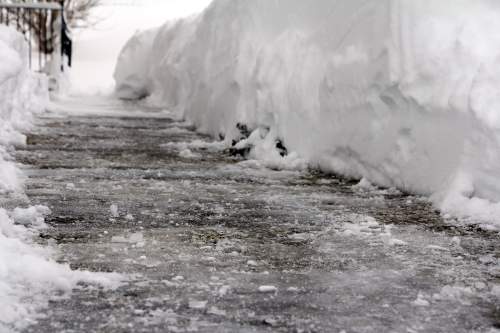
Slip and fall accidents can happen anywhere: in public spaces, workplaces, and even within your own rental home or apartment building. When a slip and fall occurs on someone else’s property, one of the most common questions injured individuals ask is: Can I sue my landlord for a slip and fall? In short, the answer depends on whether the landlord owed you a legal duty of care, whether they breached that duty, and whether that breach caused your injuries. This blog breaks down what you need to know about landlord liability, the legal process, common defenses, and how to protect your rights after a slip and fall accident.
“Victims of slip and fall accidents often underestimate the legal obligations landlords have to maintain safe properties. Establishing negligence requires evidence of duty, breach, causation, and damages and understanding these elements is crucial to holding negligent landlords accountable.” — John J. Malm, Naperville premises liability attorney
Understanding Slip and Fall Accidents
A “slip and fall” injury occurs when someone slips, trips, or falls on a hazardous condition and suffers injury as a result. These accidents are common and often severe. According to the National Safety Council, more than 6.8 million Americans visited emergency rooms for fall-related injuries in 2020, and falls accounted for approximately 33 percent of all non-fatal, preventable injuries and 21 percent of preventable deaths in the United States. In many cases, injuries from slip and fall accidents can result in significant medical bills, lost wages, and long-term disability.
Slip and fall injuries are a leading cause of emergency room visits in the United States, and tens of thousands of cases involve dangerous walking surfaces, uneven flooring, ice and snow hazards, or poor lighting, all conditions that landlords may be responsible for correcting.
A slip and fall on a rental property occurs when a tenant or guest is injured due to unsafe conditions on the property. But simply experiencing a fall is not enough to bring a successful lawsuit. You must be able to show that the property owner (your landlord) was legally responsible for the dangerous condition that caused your injury and that they failed to fix it or warn you about it.
When Can You Sue Your Landlord?
In general, you can sue your landlord for a slip and fall accident when the landlord:
- Had a duty to maintain safe premises;
- Knew or should have known about the dangerous condition;
- Failed to take reasonable steps to correct or warn about the hazard; and
- That failure directly caused your injury and resulting damages.
In Illinois, a landlord has a legal duty to keep common areas of a rental property safe for tenants and visitors. Common areas include hallways, stairwells, shared walkways, parking lots, and building entrances. If a landlord fails to repair a broken handrail, fails to correct a pooling water hazard, or fails to remove ice and snow in areas they control, they may be held responsible for injuries that occur as a result.
However, landlords may not be liable for conditions inside your leased space where they had no control or where the lease expressly places responsibility on the tenant, unless the landlord assumed responsibility or concealed a defect they knew about.
Common Scenarios Where Landlords May Be Liable
Landlord liability for slip and fall injuries can arise in many contexts, including:
- Poorly maintained common areas, such as dimly lit hallways, icy walkways, or cracked outdoor steps.
- Failure to repair known hazards, such as a broken stair, leaking roof that causes water pooling, or missing handrails.
- Negligence in snow or ice removal when required by lease or local ordinance.
- Unsafe parking lots or walkways with debris or uneven surfaces.
Landlords may also be liable if they have actual notice (they knew about the dangerous condition) or constructive notice (they should have known about it through regular inspection and maintenance) but failed to act.
Elements of a Premises Liability Claim
To successfully sue your landlord after a slip and fall, you generally must show four key elements of negligence:
- Duty of Care: The landlord owed you a legal obligation to maintain reasonably safe premises.
- Breach of Duty: The landlord failed to fulfill that duty by not repairing, correcting, or warning about the dangerous condition.
- Causation: That breach directly led to your injury.
- Damages: You suffered actual harm, such as medical bills, lost income, or pain and suffering.
In Illinois, for example, courts apply a modified comparative negligence rule. This means you can still recover damages if you were partly at fault for your slip and fall, but your recovery will be reduced by your percentage of fault. If you are found more than 50 percent at fault, you generally cannot recover any compensation.
Common Hazards That Lead to Slip and Fall Injuries
Hazardous conditions that frequently lead to slip and fall accidents, many of which landlords are responsible for, include:
- Wet or slippery floors
- Cracked or uneven sidewalks
- Lack of handrails or broken stairs
- Poor lighting in common areas
- Accumulated snow or ice
- Loose carpets or flooring
- Cluttered walkways
- Potholes in parking areas
Premises liability claims hinge on whether the landlord knew or should have known about these hazards and failed to address them in a reasonable amount of time.
What Damages Can You Recover?
If you successfully prove your landlord was negligent, you may be entitled to recover several types of damages:
- Medical expenses (past and future)
- Lost income and diminished earning capacity
- Pain and suffering
- Emotional distress
- Loss of enjoyment of life
- Rehabilitation costs
An experienced Illinois slip and fall accident attorney can help quantify your total damages and negotiate with insurance companies or advocate for you in court.
Challenges and Defenses Landlords May Use
Landlords and their insurance companies often defend slip and fall claims by arguing:
- The hazard was open and obvious and therefore should have been seen by the injured person.
- The tenant or guest was primarily at fault for their own fall.
- The landlord did not have actual or constructive notice of the dangerous condition.
- The accident happened in an area over which the landlord did not have control.
These defenses underscore the importance of gathering evidence immediately after an accident, including photographs of the hazardous condition, witness statements, maintenance records, and medical documentation.
What Should You Do After a Slip and Fall?
If you are injured in a slip and fall on a rental property:
- Seek medical attention immediately, even if injuries seem minor.
- Report the accident in writing to your landlord or property manager.
- Document the scene with photos or video of the hazard.
- Preserve evidence such as maintenance requests, repair records, and witness contact information.
- Avoid giving recorded statements to insurance adjusters without consulting an attorney.
- Contact a qualified Illinois premises liability attorney as soon as possible.
Frequently Asked Questions about Suing for a Slip and Fall Accident
Q: Can I sue my landlord even if the slip and fall occurred inside my apartment?
A: Possibly, if the hazard resulted from the landlord’s failure to maintain the property or repair a condition they were responsible for.
Q: What if I was partly at fault for my fall?
A: In many states, including Illinois, you can still recover damages, but your compensation may be reduced according to your percentage of fault.
Q: Do I need a lawyer to sue my landlord?
A: While not required, an experienced personal injury lawyer significantly improves your chance of recovering fair compensation, especially against insurance companies.
Q: What if the lease says the landlord is not liable for injuries?
A: Lease clauses that attempt to waive liability for landlord negligence are often unenforceable, especially when the landlord’s own negligence causes the injury.
Contact the 5-Star Rated Illinois Slip and Fall Accident Lawyers at John J. Malm & Associates
Slip and fall accidents on rental properties can result in serious injuries, mounting medical bills, lost time at work, and long-term physical and emotional impact. If you or a loved one was injured in a slip and fall caused by unsafe conditions on a rental property, you may be entitled to compensation for your losses. Whether the hazard was a broken stair, poorly maintained walkway, or untreated ice and snow, establishing your landlord’s responsibility is essential to recovering compensation.
Do not navigate this complex legal process alone. Contact John J. Malm & Associates today for a free consultation to discuss your case, preserve critical evidence, and take swift action to protect your rights. Our team of experienced Illinois premises liability attorneys is ready to evaluate your situation and help you pursue the justice and compensation you deserve.