- Free Consultation: (630) 527-4177 Tap Here to Call Us
















The Importance of Socialization for Nursing Home Residents


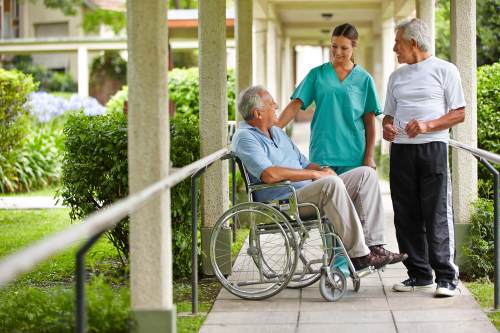
Older adults living in nursing homes face unique social and emotional challenges. For many, moving into a long-term care setting means leaving a lifelong home, familiar community, and established routines. While nursing homes provide necessary medical care and supervision, the quality of a resident’s social life often determines their mental health, physical wellness, and overall quality of life.
Socialization through regular interaction with others through conversation, shared activities, and community involvement is not a luxury. It is a critical determinant of healthy aging that affects everything from mood and cognition to physical health outcomes.
This blog explores why social engagement matters so profoundly for nursing home residents, the risks associated with isolation and loneliness, evidence-based benefits of social opportunities, and how families and care teams can prioritize meaningful connection.
“Meaningful connection is essential to human dignity and wellbeing. For nursing home residents, many of whom have given so much in their lives, regular social engagement shouldn’t be optional; it should be a priority of quality care.” — John J. Malm, Naperville nursing home injury attorney
What Is Socialization And Why It Matters
Socialization refers to the experience of interacting with others, forming relationships, and engaging in activities that involve meaningful connection. In a nursing home setting, this can include:
- Talking and sharing meals with other residents
- Participating in group activities such as arts, music, games, or exercise
- Maintaining relationships with family and friends
- Attending community events or outings
- Engaging in intergenerational programs
These interactions support emotional well-being, reduce loneliness, and help protect against cognitive and physical decline.
Defining Isolation vs. Loneliness
It is important to distinguish between two related concepts:
- Social isolation: an objective lack of frequent social contacts
- Loneliness: a subjective feeling of being alone or disconnected
Research shows both can be detrimental to health for older adults.
The Prevalence of Isolation and Loneliness in Nursing Homes
Loneliness and lack of meaningful social contact are common among nursing home residents:
- A systematic review found that approximately 61% of older people in care homes experience moderate loneliness, and 35% experience severe loneliness.
- Related research indicates that social isolation prevalence among older adults living in care settings may be similarly high.
- Older adults in institutional settings often report lower perceived well-being compared to those living in the community, in part due to limited social capital and fewer personal connections.
These rates are significantly higher than among community-dwelling older adults, meaning the nursing home environment itself can exacerbate isolation if social engagement is not actively encouraged.
The Consequences of Poor Social Engagement
Mental Health and Emotional Well-Being
Social isolation and chronic loneliness are strongly associated with negative mental health outcomes:
- Older adults who are socially isolated or lonely show higher rates of depression, anxiety, and suicidal ideation.
- Social contact is linked with residents’ positive affect, interest, and pleasure in daily life, key indicators of emotional health.
- Lack of interaction can worsen mood and lead to withdrawal from engagement with others.
Cognitive Function
Research suggests that regular social interaction stimulates the brain and can help:
- Slow cognitive decline
- Enhance cognitive performance on daily tasks
- Reduce risk of cognitive deterioration connected to isolation
In studies outside nursing homes, older adults reporting frequent social contact performed better cognitively, even day-to-day.
Physical Health
Social isolation is not just a mental health issue:
- Among older adults, social isolation has been associated with increased risk of chronic diseases, depression, and mortality.
- Evidence shows isolation and loneliness can increase the likelihood of adverse physical health outcomes including cardiovascular issues and diminished immune response.
Importantly, bridging connections, even small interactions with staff, family, or volunteers, can have measurable benefits compared with complete isolation.
Benefits of Socialization for Nursing Home Residents
Meaningful social engagement is correlated with improvements in the following areas:
1. Emotional and Psychological Well-Being
Socialization combats loneliness and fosters:
- A sense of belonging
- Self-esteem and purpose
- Emotional expression and support
- Decreased rates of depression
2. Cognitive Stimulation
Regular social contact and engagement in group activities help keep the mind active, potentially delaying:
- Cognitive decline
- Memory loss progression, especially for residents with dementia
3. Enhanced Quality of Life
Residents who feel connected often experience:
- Greater satisfaction with daily life
- More positive relationships with peers and staff
- Better mood and daily enthusiasm
4. Motivation and Physical Activity
Social programs often incorporate movement:
- Walking groups
- Group exercise
- Dance or chair yoga
These not only foster connection but also support physical health and balance.
Example Socialization Programs That Work
While every resident and facility is different, effective socialization often comes from structured and adaptable programs such as:
- Group Activities: Arts, crafts, music sessions, and social games
- Intergenerational Programs: Visits with youth or community volunteers
- Family Engagement Opportunities: Scheduled visits, family days
- Therapeutic Sessions: Pet therapy, storytelling, reminiscence groups
- Peer Support Groups: Shared experiences and common interests
Facilities that prioritize an active lifestyle, diversified programming, and individualized social opportunities see better resident outcomes.
Barriers to Socialization
Even with known benefits, nursing homes often face challenges including:
- Staff shortages limiting time for individualized interaction
- Limited budgets for activities or volunteer programming
- Residents with cognitive or health impairments
- Lack of personalized engagement plans
Addressing these barriers requires advocacy, funding, and family involvement.
How Families Can Help
Family members can play a central role in fostering social engagement:
- Regular Visits: Consistency helps combat loneliness
- Shared Activities: Participate in preferred hobbies or games
- Technology Use: Video calls and messages when physical visits are limited
- Advocacy: Encouraging facilities to expand social programs
- Bringing Community In: Invite friends and extended family to visit
Even brief, meaningful contact can be powerful.
Socialization and Quality of Care
Social engagement is not ancillary to quality care, it is quality care. Person-centered approaches that recognize emotional, psychological, and social needs improve outcomes and resident satisfaction. Facilities that integrate socialization into daily practice help residents thrive, not just survive.
What To Do If A Loved One Is Suffering
When nursing homes fail to provide opportunities for social interaction, whether through neglect, understaffing, or systemic shortcomings, residents may experience worsening depression, cognitive decline, and avoidable isolation.
If you suspect that a nursing home resident is suffering due to lack of socialization, neglect, or other forms of mistreatment:
- Document your observations (dates, behaviors, communications)
- Speak directly with care team members and administrators
- Request individualized social plans
- Seek external advocacy or legal consultation
Residents deserve dignity, engagement, and connection, not solitude.
Frequently Asked Questions about Socialization for Nursing Home Residents
Q: How often should residents engage socially?
A: While individualized, health-focused interactions daily, and group social activities multiple times per week, are ideal.
Q: Can socialization actually affect physical health?
A: Yes. Isolation is linked with increased risk of conditions like heart disease and cognitive decline.
Q: What if a resident is shy or introverted?
A: Personalized approaches, like one-on-one conversations or small group activities, can help ensure comfort while promoting connection.
Q: Are virtual social interactions helpful?
A: Technology (video calls, online programs) can supplement face-to-face contact, especially when physical visits are limited.
Q: Can socializing reduce healthcare costs?
A: Evidence suggests that social isolation increases risk for facility stays and nursing home placement, meaning stronger social support could delay costly transitions.
Q: What if the facility isn’t doing enough?
A: Families can document concerns, meet with care teams, and seek advocacy to ensure social programs meet residents’ needs.
Contact the Top-Rated Illinois Nursing Home Neglect Attorneys at John J. Malm & Associates
Socialization is foundational to the physical health, emotional life, and cognitive vitality of nursing home residents. Its importance cannot be overstated: the research is clear that loneliness and isolation are dangerous, while engagement and community are life-enhancing.
At John J. Malm & Associates, we advocate for residents’ rights to safe, respectful, and fulfilling living environments. If your loved one has suffered from neglect, whether through inadequate social programming, understaffed facilities, or other forms of mistreatment, you are not alone.
Contact us today for a free consultation if you believe a nursing home resident has experienced abuse or neglect. We are here to help you seek accountability and protect your loved one’s dignity and well-being.