- Free Consultation: (630) 527-4177 Tap Here to Call Us
















Signs You’re On A Negligently Maintained Property


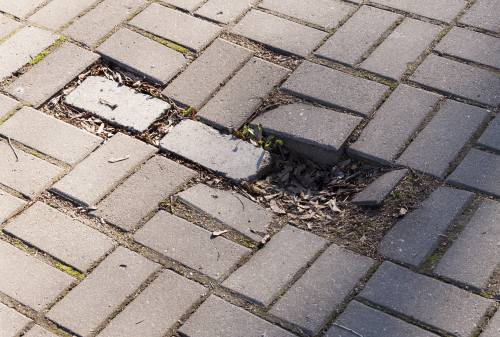
In Illinois, property owners and managers have a legal duty to keep their premises reasonably safe for visitors. When that duty is ignored, unsafe conditions can cause serious injuries, from broken bones to traumatic brain injury. In Illinois, proving a premises liability claim often turns on whether the owner knew (or should have known) about a dangerous condition and failed to fix or warn about it. In this blog, we discuss the common, tell-tale signs of negligent property maintenance, why those signs matter under Illinois law, relevant statistics you should know, practical steps to protect your health and your claim, and answer frequently asked questions about premises liability claims.
“Property owners must take basic, routine steps to protect visitors: inspect, repair, illuminate, and warn. When they don’t, ordinary hazards become life-changing injuries. If you’re hurt on someone else’s property, document everything and get legal advice right away.” — John J. Malm, Naperville slip and fall accident attorney
Why Identifying Negligent Maintenance Matters in Illinois
Illinois law does not impose an absolute guaranty of safety on property owners, but it does require them to exercise reasonable care to prevent foreseeable harm to lawful visitors. Under the Premises Liability Act, an injured plaintiff must show that (1) a dangerous condition existed, (2) the owner knew or should have known about it (actual or constructive notice), and (3) the owner failed to remedy or warn about the hazard before your injury. These notice and reasonableness principles are central to Illinois premises liability law and to jury instructions judges give in these cases.
Illinois also follows a modified comparative-fault rule: if an injured person is more than 50% at fault for what happened, they generally cannot recover damages; if they are 50% or less at fault, any award is reduced in proportion to their share of blame. That means documenting the property hazard and your lack of fault is crucial to any claim.
Common, Visible Signs You’re on a Negligently Maintained Property
Below are frequent red flags that a property owner has failed to meet reasonable maintenance standards. The presence of one or more of these signs does not prove liability by itself, but they are strong indicators that you should be cautious and document what you observe.
- Unmarked wet floors and recent spills: Pools of liquid, grease, or food on walking surfaces without conspicuous cones or staff actively cleaning them.
- Missing, broken, or uneven flooring tiles and mats: Loose tile edges, lips between floor surfaces, curled or unsecured mats, or sudden level changes that are not ramped or signed.
- Poor lighting in staircases, entrances, and walkways: Dim, flickering, or nonfunctional lighting that obscures hazards, particularly in public corridors, parking garages, and stairwells.
- Broken or missing handrails: Stairways, ramps, and elevated walkways without secure handrails or with handrails that are loose, broken, or too low.
- Cluttered walkways and obstructed exits: Boxes, cords, furniture, or storage left in aisles or near doors where customers walk.
- Rips, tears, or unsecured carpeting: Rolled or frayed carpeting that can catch a shoe or cause tripping.
- Unrepaired potholes and cracked sidewalks: Outdoor surfaces that are known slip risks when not maintained, salted, or repaired.
- Lack of maintenance logs or visible cleanup effort: No evidence staff are monitoring and logging inspections, or an obvious failure to clean or mark known problem areas.
- Missing warning signs for transparent hazards: Absent signage for low glass doors, sudden steps, or “wet floor” conditions where the hazard would not otherwise be obvious.
- Obvious structural neglect in common areas: Sagging ceilings, loose fixtures, open ceiling holes, or exposed electrical wiring.
Any of the above, especially when present together, increases the likelihood that a property owner breached their duty to maintain the premises safely.
Why These Signs Matter to Your Injury Claim
Illinois courts and pattern jury instructions emphasize the notice requirement: property owners are responsible when they had actual knowledge of a dangerous condition or when the condition existed long enough that the owner should have discovered and fixed it (constructive notice). A visible pattern of neglect (no cleanup supplies, long-standing stains, unlit stairwells) supports an argument that the owner should have known about the hazard. Evidence like maintenance logs, surveillance video, employee testimony, and contemporaneous photos can turn these visible signs into proof.
Because Illinois reduces recovery according to comparative fault, you should also document your own actions at the time (where you were looking, what signage, if any, was present) to rebut any defense that you were primarily to blame. The combination of evidence showing owner neglect plus evidence of your reasonable behavior strengthens an injury claim.
Practical Steps if You Encounter One of These Hazards and are Injured
- Get to safety and seek medical care first: Your health matters most; call 911 or go to urgent care/ER if you are hurt. Delaying medical care harms your recovery and your claim.
- Take photographs and video immediately: Capture the hazardous area, the condition that caused the injury, lighting, signage (or lack thereof), and the surrounding environment while it still looks the same. Phone metadata helps prove when photos were taken.
- Request an incident report and a copy: Ask to see or have staff complete their incident/accident report, and get a copy or at least the name of the person who filled it out.
- Collect witness names and contact information: Bystanders who saw the hazard or your fall are valuable. Ask them to write brief statements if possible.
- Preserve your clothing and footwear: Don’t discard torn or wet clothes, as they can be important evidence.
- Write your own contemporaneous account: As soon as you can, write a detailed description of what happened, where you were walking, where you tripped or slipped, and what you remember about employee actions.
- Avoid giving recorded statements to insurers without counsel: Insurers may seek to minimize or shift blame; a lawyer can protect your rights.
- Contact a local Illinois premises liability attorney promptly: Preservation letters can prevent surveillance footage and maintenance records from being destroyed.
Frequently Asked Questions About Negligently Maintained Properties in Illinois
Q: What must I prove to win a premises-liability case in Illinois?
A: Generally you must show (1) the property owner owed you a duty (you were a lawful visitor), (2) a dangerous condition existed, (3) the owner had actual or constructive notice of the condition, and (4) the owner failed to remedy or warn about it, causing your injury. Pattern jury instructions and state law outline these elements.
Q: How soon should I get an attorney?
A: As soon as possible. A lawyer can preserve perishable evidence (surveillance video, maintenance logs), advise about recorded statements, and help gather medical documentation.
Q: Will my own actions bar recovery?
A: Illinois uses a modified comparative-fault rule. If you are found more than 50% at fault for your injury, you typically cannot recover; if you are 50% or less at fault, any award is reduced by your share. That’s why documenting the hazard and your conduct is important. Assembly
Q: What if the hazard was “open and obvious”?
A: Illinois law recognizes the “open and obvious” doctrine in some contexts, but it does not automatically bar recovery. Courts will consider whether the owner took reasonable steps to make the premises safe given the circumstances.
Contact the Trusted Illinois Slip and Fall Accident Attorneys at John J. Malm & Associates
Negligently maintained properties routinely cause preventable injuries. If you notice cracked sidewalks, unmarked wet floors, broken handrails, dim stairwells, cluttered walkways, or other obvious hazards, especially when they persist for long periods of time, those are warning signs the property owner may be failing to meet basic safety duties.
If you or a loved one were injured on a negligently maintained property in Illinois, we can help. At John J. Malm & Associates, our top-rated injury attorneys have extensive experience preserving evidence, coordinating with medical experts, and advocating for fair compensation under Illinois premises liability law. We offer a free consultation to review your case and explain your options. Contact us today so we can secure the evidence and begin protecting your rights.