- Free Consultation: (630) 527-4177 Tap Here to Call Us
















Your Rights Under the Illinois Nursing Home Care Act


When families place a loved one in a nursing home, they trust that the facility will provide safe, respectful, and compassionate care. Unfortunately, nursing home abuse and neglect continue to occur across Illinois, often leaving vulnerable residents with devastating injuries and families searching for answers. Fortunately, Illinois law provides powerful protections for nursing home residents through the Illinois Nursing Home Care Act (210 ILCS 45), one of the nation’s most comprehensive statutes protecting long-term care residents.
The Illinois Nursing Home Care Act establishes enforceable rights for residents, creates standards of care that facilities must follow, and provides legal remedies when those rights are violated. Understanding these protections can help residents and families recognize neglect or abuse and take action before further harm occurs.
The Purpose of the Illinois Nursing Home Care Act
The Illinois Nursing Home Care Act was enacted to protect residents from abuse, neglect, exploitation, and inadequate care while promoting dignity, autonomy, and quality of life. The Act applies to licensed long-term care facilities throughout Illinois and works alongside federal nursing home regulations to establish minimum standards for resident care.
Illinois has approximately 1,200 licensed long-term care facilities serving more than 100,000 residents. The Illinois Department of Public Health (IDPH) licenses, regulates, and inspects these facilities while investigating thousands of complaints each year. According to IDPH, department surveyors conduct approximately 10,000 surveys annually, receive nearly 19,000 hotline calls, and respond to more than 5,000 complaints involving nursing homes. Recent quarterly reports continue to document hundreds of violations statewide, including the most serious “AA” violations involving resident deaths.
Fundamental Rights Protected by the Illinois Nursing Home Care Act
The Nursing Home Care Act recognizes that every resident deserves to be treated with dignity and respect regardless of age, disability, or medical condition.
Residents have important legal rights that include:
- The right to be free from abuse and neglect
- The right to be treated with dignity and respect
- The right to privacy
- The right to participate in decisions about medical care
- The right to refuse treatment when legally permitted
- The right to manage personal affairs when capable
- The right to communicate freely with family and visitors
- The right to make complaints without retaliation
- The right to practice religious beliefs
- The right to retain personal possessions
- The right to confidentiality of medical information
- The right to participate in social activities and community life
These protections are not merely aspirational, they are enforceable legal rights that can support administrative complaints and civil litigation when violated.
Protection Against Abuse and Neglect
Perhaps the most important protection provided by the Act is the resident’s right to live free from abuse and neglect. Abuse may include:
- Physical abuse
- Sexual abuse
- Emotional or psychological abuse
- Verbal abuse
- Financial exploitation
- Improper use of restraints
- Intimidation or coercion
Neglect can include:
- Failure to prevent bedsores
- Failure to provide adequate nutrition
- Dehydration
- Medication errors
- Poor hygiene
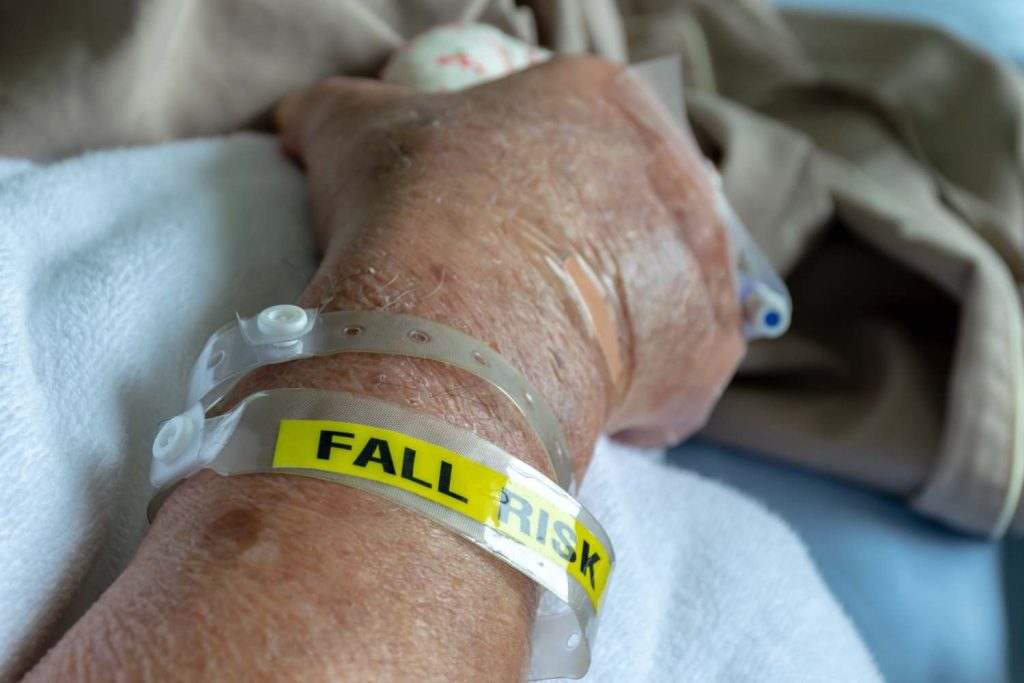
- Failure to prevent falls
- Inadequate supervision
- Delayed medical treatment
- Failure to monitor medical conditions
- Failure to prevent infections
Many of these injuries are preventable with proper staffing, training, and adherence to accepted standards of care.
The Right to Quality Medical Care
Residents have the right to receive care that meets professional standards and addresses their individual medical needs. Facilities must develop appropriate care plans, monitor changing medical conditions, administer medications properly, coordinate physician services, and ensure residents receive necessary treatment without unreasonable delays.
When facilities fail to follow physician orders or ignore signs of deterioration, residents may suffer serious complications including:
- Pressure ulcers
- Sepsis
- Malnutrition
- Dehydration
- Fractures
- Medication overdoses
- Wandering incidents
- Choking injuries
- Preventable hospitalizations
- Wrongful death
Protection Against Improper Restraints
The Nursing Home Care Act also protects residents from unnecessary physical or chemical restraints. Physical restraints should never be used merely for staff convenience or discipline. Likewise, medications should not be administered solely to sedate or control resident behavior absent legitimate medical necessity.
Improper restraint practices can lead to:
- Muscle weakness
- Falls
- Pressure ulcers
- Loss of mobility
- Emotional trauma
- Reduced quality of life
- Serious physical injury
Facilities must carefully evaluate alternatives and document legitimate medical reasons before using restraints.
Residents Have the Right to Voice Complaints
Fear of retaliation often prevents residents from reporting poor treatment. Illinois law specifically protects residents who complain about conditions or report abuse. Residents may raise concerns with facility administrators, the Illinois Department of Public Health, family members, or the Illinois Long-Term Care Ombudsman Program without fear of punishment or discrimination.
Protected complaints may involve:
- Staffing shortages
- Unsanitary conditions
- Medication errors
- Abuse allegations
- Missing property
- Financial exploitation
- Unsafe living conditions
- Inadequate medical treatment
Retaliation itself may constitute an additional violation of resident rights.
Family Members Play an Important Role
Family members often recognize warning signs before regulators do. Regular visits, communication with staff, and careful observation can help identify neglect before catastrophic injuries occur.
What Happens When Rights Are Violated?
Violations of the Illinois Nursing Home Care Act may result in multiple forms of accountability.
Possible consequences include:
- IDPH investigations
- Administrative citations
- Civil monetary penalties
- License sanctions
- Corrective action requirements
- Civil lawsuits
- Compensation for injured residents
- Wrongful death claims in fatal cases
The Act provides important legal remedies designed to compensate victims while encouraging higher standards of care throughout the industry.
Common Evidence Used in Nursing Home Cases
Successful nursing home cases frequently rely upon extensive documentation and expert review.
Evidence may include:
- Medical records
- Nursing notes
- Medication administration records
- Care plans
- Hospital records
- Incident reports
- Staffing records
- Inspection reports
- Witness statements
- Surveillance footage
- Photographs
- Expert medical testimony
Prompt investigation is often critical because evidence may disappear or memories may fade over time.
Frequently Asked Questions about the Illinois Nursing Home Care Act
What is the Illinois Nursing Home Care Act?
The Illinois Nursing Home Care Act is a state law that establishes standards for licensed nursing homes and protects residents from abuse, neglect, exploitation, and violations of their legal rights.
Can I sue a nursing home for neglect in Illinois?
Yes. If a nursing home’s negligence causes injury or death, residents or their families may have the right to pursue a civil claim for damages under Illinois law.
What are examples of nursing home neglect?
Examples include untreated bedsores, dehydration, malnutrition, medication errors, falls caused by inadequate supervision, poor hygiene, infections, and failure to provide necessary medical care.
Can family members report suspected abuse?
Yes. Family members may report concerns to the Illinois Department of Public Health or the Illinois Long-Term Care Ombudsman Program and should document any evidence of suspected neglect or abuse.
Can a nursing home retaliate against a resident for making a complaint?
No. Illinois law protects residents from retaliation for reporting abuse, neglect, or unsafe conditions.
Who investigates nursing home complaints in Illinois?
The Illinois Department of Public Health investigates complaints involving licensed nursing homes and conducts inspections to ensure compliance with state and federal regulations.
What compensation may be available after nursing home negligence?
Depending on the circumstances, compensation may include medical expenses, pain and suffering, disability, emotional distress, and wrongful death damages available under Illinois law.
Contact the Dedicated Illinois Nursing Home Abuse Lawyers at John J. Malm & Associates
When a nursing home violates the rights guaranteed by the Illinois Nursing Home Care Act, the consequences can be devastating for residents and their families. No one should have to endure preventable abuse, neglect, or substandard care in a facility entrusted with their safety.
At John J. Malm & Associates, we are committed to protecting vulnerable residents and holding negligent nursing homes accountable. If you suspect that your loved one has suffered abuse or neglect in an Illinois nursing home, contact our experienced Illinois nursing home neglect attorneys today for a free consultation. We will investigate your concerns, explain your legal rights, and aggressively pursue the compensation and justice your family deserves.