- Free Consultation: (630) 527-4177 Tap Here to Call Us
















Who Is Responsible for a Dog Attack While Dog Sitting?


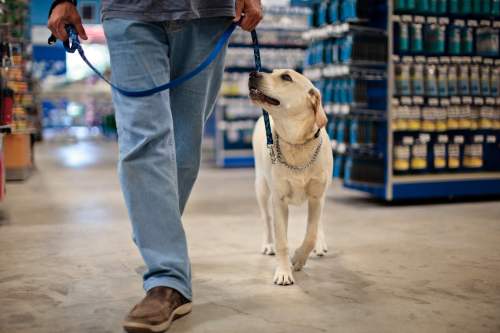
Dog sitting has become increasingly common in Illinois as pet owners rely on friends, neighbors, family members, and professional pet sitters to care for their animals while traveling or working. While most dog-sitting arrangements go smoothly, serious legal questions arise when a dog attacks someone while under the care of a dog sitter. Victims often wonder whether the dog’s owner, the dog sitter, or both may be held liable for injuries caused by the animal.
Illinois has some of the strongest dog bite laws in the country. Unlike states that follow a “one-bite rule,” Illinois imposes strict liability on dog owners under many circumstances. However, when someone else is caring for the dog at the time of the attack, determining responsibility can become more complicated. If you were injured by a dog being watched by a pet sitter, or if you were dog sitting and a dog attacked someone, understanding Illinois law is essential to protecting your rights.
“When a dog attack occurs, determining who had control of the dog at the time of the incident is often one of the most important issues in the case. Illinois law provides strong protections for victims, but identifying all responsible parties is critical to recovering full compensation.” — John J. Malm, Naperville dog bite attorney
Dog Bite Statistics Highlight the Seriousness of Dog Attacks
Dog attacks remain a significant public safety concern throughout the United States. According to the Centers for Disease Control and Prevention (CDC), approximately 4.5 million people suffer dog bites annually, and nearly one in five bites requires medical attention. Children between the ages of 5 and 9 experience the highest rate of dog bite injuries.
Researchers have estimated that more than 300,000 Americans visit emergency departments each year because of dog bite injuries, and severe attacks can result in permanent scarring, nerve damage, infections, disfigurement, and emotional trauma. These statistics demonstrate why Illinois lawmakers have adopted strong protections for victims of dog attacks.
Illinois Dog Bite Law: The Animal Control Act
Dog bite cases in Illinois are primarily governed by the Illinois Animal Control Act. Unlike states that require proof that a dog had previously bitten someone or shown aggressive tendencies, Illinois generally imposes liability when:
- A dog attacks, attempts to attack, or injures a person;
- The injured person was lawfully present where the attack occurred;
- The injured person did not provoke the dog; and
- The attack caused injuries.
Because Illinois follows a strict liability approach, victims often do not need to prove negligence. Instead, the focus is usually on whether the statutory requirements have been met. However, determining who qualifies as the legally responsible party can become more complicated when a dog is being watched by someone other than its owner.
Can a Dog Sitter Be Liable for a Dog Attack?
Yes. Under Illinois law, liability may extend beyond the dog’s owner. The Illinois Animal Control Act applies not only to owners but also to individuals who “keep” or “harbor” a dog. Courts have interpreted these terms broadly in certain circumstances. A person who exercises care, custody, or control over a dog may potentially be considered a keeper or harborer and therefore share responsibility for injuries caused by the animal.
A dog sitter who is temporarily caring for a dog may fall into this category if they:
- Have possession of the dog;
- Feed and care for the dog;
- Exercise control over the dog’s activities;
- Walk the dog;
- Supervise the dog at their home; or
- Make decisions regarding the dog’s care during the owner’s absence.
Whether a dog sitter qualifies as a keeper or harborer depends on the specific facts of the case.
When the Dog Owner May Still Be Responsible
Even when a dog is under the supervision of a sitter, the dog’s owner may remain legally responsible. Illinois courts frequently recognize that ownership carries ongoing responsibilities. If the owner knew the dog had aggressive tendencies, failed to warn the sitter about behavioral issues, or otherwise contributed to the circumstances leading to the attack, the owner may be liable.
Examples include:
- Failing to disclose a history of aggression.
- Failing to provide proper restraints.
- Failing to inform the sitter of triggers that provoke the dog.
- Leaving the dog with an inexperienced caretaker.
In many cases, both the dog owner and the dog sitter may share liability for an attack.
Examples of Dog-Sitting Liability Scenarios
Scenario 1: The Professional Pet Sitter
A professional dog sitter is hired to watch a large dog for a week. During a walk, the sitter allows the dog to roam on an extendable leash. The dog lunges at a passerby and causes serious injuries. In this situation, the sitter may be liable because they were exercising control over the dog at the time of the attack.
Scenario 2: The Owner Failed to Warn About Aggression
A dog owner leaves their dog with a neighbor but fails to disclose that the dog previously attacked another person. The dog later bites a visitor. The owner may be liable because they concealed important information about the dog’s dangerous tendencies.
Scenario 3: Shared Responsibility
A pet sitter ignores the owner’s instructions to keep the dog away from strangers. The dog subsequently attacks someone. Here, both the owner and sitter may face liability depending on the facts.
Negligence Claims Against Dog Sitters
In addition to statutory liability under the Illinois Animal Control Act, injured victims may pursue negligence claims against dog sitters.
A negligence claim requires proof that:
- The dog sitter owed a duty of care;
- The dog sitter breached that duty;
- The breach caused the attack; and
- The victim suffered damages.
Examples of negligent conduct include:
- Allowing a dog to run off leash.
- Leaving gates open.
- Failing to secure a dog known to be aggressive.
- Ignoring leash laws.
- Allowing unsafe interactions with children.
- Failing to supervise the dog properly.
Even if a dog sitter is not considered a legal “keeper” under the Animal Control Act, negligence principles may still create liability.
Injuries Commonly Seen in Dog Attack Cases
Dog attacks often cause injuries far more severe than many people realize.
Common injuries include:
- Deep puncture wounds
- Lacerations
- Facial injuries
- Nerve damage
- Broken bones
- Eye injuries
- Permanent scarring
- Disfigurement
- Infections
- Post-traumatic stress disorder (PTSD)
According to CDC data, nearly one in five dog bites requires medical treatment, and severe attacks frequently require reconstructive surgery. Children are especially vulnerable because their height places their faces and necks closer to a dog’s mouth, increasing the likelihood of catastrophic injuries.
Insurance Coverage in Dog-Sitting Cases
One of the most important questions after a dog attack is identifying available insurance coverage. Potential insurance policies include:
Homeowner’s Insurance
The dog owner’s homeowner’s policy may provide coverage for dog bite injuries.
Renter’s Insurance
If the dog owner rents their residence, renter’s insurance may provide liability protection.
Dog Sitter Insurance
Professional pet sitters often carry specialized liability insurance.
Homeowner’s Insurance for the Dog Sitter
If the attack occurs at the sitter’s home, the sitter’s homeowner’s insurance may become involved. Because multiple insurance policies may apply, determining available coverage often requires a thorough investigation.
Defenses Commonly Raised in Illinois Dog Bite Cases
Defendants frequently attempt to avoid liability by arguing:
- The victim provoked the dog.
- The victim was trespassing.
- The victim assumed the risk.
- The dog sitter was not a keeper or harborer.
- The injuries were unrelated to the attack.
Insurance companies often use these defenses to minimize or deny claims. An experienced dog bite attorney can help gather evidence, interview witnesses, and obtain veterinary and animal control records to challenge these arguments.
What Compensation Can Dog Attack Victims Recover?
Victims of dog attacks may be entitled to compensation for:
- Medical bills
- Future medical treatment
- Plastic and reconstructive surgery
- Lost income
- Reduced earning capacity
- Pain and suffering
- Emotional distress
- Psychological counseling
- Scarring and disfigurement
- Disability
The value of a dog bite claim depends on the severity of the injuries and the long-term impact on the victim’s life.
Frequently Asked Questions about Dog Attacks
Can a dog sitter be sued if a dog bites someone?
Yes. A dog sitter who is considered a keeper or harborer of the dog may be held liable under Illinois law. They may also face liability for negligence if their actions contributed to the attack.
Is the dog owner always responsible for a dog attack?
Not always. While owners are often liable under the Illinois Animal Control Act, responsibility may also extend to a dog sitter or other caretaker who had custody and control of the animal.
What if the dog had never bitten anyone before?
Illinois does not follow the traditional “one-bite rule.” A victim may still recover compensation even if the dog had no prior history of aggression.
Can I recover compensation if I was bitten while visiting a friend?
Possibly. If you were lawfully present on the property and did not provoke the dog, you may have a valid claim under Illinois law.
What should I do after a dog attack?
Seek immediate medical treatment, report the incident to local animal control authorities, photograph your injuries, obtain witness information, and contact an experienced Illinois dog bite attorney as soon as possible.
How long do I have to file a dog bite lawsuit in Illinois?
In most cases, Illinois personal injury claims must be filed within two years of the date of the injury. However, exceptions may apply, making it important to consult an attorney promptly.
Contact the Experienced Illinois Dog Bite Attorneys at John J. Malm & Associates
When a dog attack occurs while a dog is being watched by a pet sitter, determining liability can be complicated. The dog’s owner, the dog sitter, or both parties may be legally responsible for the injuries that result. Insurance companies often dispute responsibility and attempt to shift blame between parties, making it critical to conduct a thorough investigation immediately after an attack.
At John J. Malm & Associates, we have extensive experience representing victims of serious dog attacks throughout Illinois. Our team understands the complexities of the Illinois Animal Control Act and knows how to identify every potentially liable party to maximize our clients’ recovery. If you or a loved one has been injured by a dog while the animal was in the care of a pet sitter, contact John J. Malm & Associates today for a free consultation. We will evaluate your case, explain your legal options, and fight to obtain the compensation you deserve.