- Free Consultation: (630) 527-4177 Tap Here to Call Us
















Preparing Your Motorcycle for Spring Riding


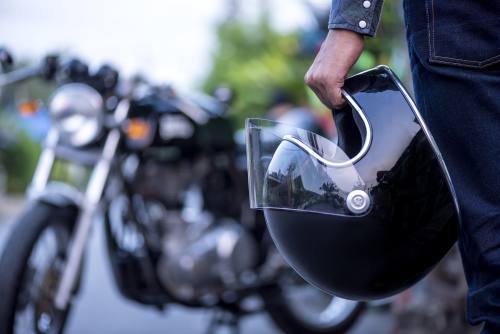
As winter fades and temperatures rise, motorcycle enthusiasts across Illinois and the Midwest begin preparing for riding season. Spring is one of the most anticipated times of year for riders, but it is also one of the most dangerous. After months off the road, both motorcycles and riders need careful preparation to ensure safety.
According to the National Highway Traffic Safety Administration (NHTSA), motorcycle fatalities continue to rise, with over 6,300 motorcyclists killed in 2023, accounting for approximately 15% of all traffic deaths. Additionally, about 60% of motorcycle fatalities occur between May and September, making spring the start of the most dangerous riding period. Properly preparing your motorcycle, and yourself, can significantly reduce your risk of being involved in a crash.
“Every spring, we see a surge in serious motorcycle accidents, many of which could have been prevented with proper preparation and awareness. Taking the time to inspect your bike, refresh your skills, and ride defensively can make all the difference in staying safe on the road.” – John J. Malm, Naperville motorcycle accident lawyer
Why Spring Motorcycle Preparation Matters
Spring riding presents unique hazards that differ from summer or fall conditions. Roads may still be covered with:
- Salt residue from winter maintenance
- Potholes and pavement damage
- Debris like gravel and branches
- Wet or unpredictable weather conditions
At the same time, drivers are not yet accustomed to seeing motorcycles again after winter. Research has long shown that many motorcycle crashes occur because drivers fail to detect motorcycles in traffic, a phenomenon often referred to as the “looked-but-failed-to-see” error.
Compounding the risk, motorcycles are inherently more dangerous than passenger vehicles. Data shows that motorcyclists are approximately 25–28 times more likely to die in a crash per mile traveled.
Inspecting Your Motorcycle After Winter Storage
Before your first ride, conduct a thorough mechanical inspection. Even if your bike was stored properly, months of inactivity can lead to deterioration.
Key Inspection Areas
- Battery
- Check charge level and terminals
- Replace if it no longer holds a charge
- Tires
- Inspect for cracks, dry rot, or flat spots
- Check tread depth and tire pressure
- Fluids
- Engine oil
- Brake fluid
- Coolant
- Fuel condition (old fuel may need to be drained)
- Brakes
- Test brake responsiveness
- Inspect pads and rotors for wear
- Chain or Belt
- Clean and lubricate the chain
- Check tension and alignment
- Lights and Signals
- Ensure headlights, brake lights, and turn signals are fully operational
A failure in any of these systems can lead to loss of control, especially dangerous given that nearly half of fatal motorcycle crashes involve only the motorcycle, and not another vehicle, often due to loss of control.
Spring Maintenance Checklist
Beyond inspection, your motorcycle may require routine maintenance before it is road-ready.
Essential Maintenance Tasks
- Change oil and replace filters
- Inspect and replace spark plugs if needed
- Clean or replace the air filter
- Check suspension components
- Tighten bolts and fasteners
- Inspect fuel lines for cracks or leaks
Routine maintenance is not just about performance—it is directly tied to safety. Mechanical failure at highway speeds can have catastrophic consequences for riders.
Gear Up: Safety Equipment for Spring Riding
Riding gear is your first line of defense in a crash. Unlike drivers in enclosed vehicles, motorcyclists have minimal protection.
Essential Protective Gear
- DOT-approved helmet
- Riding jacket (leather or armored textile)
- Gloves
- Riding pants
- Over-the-ankle boots
Helmet use is particularly critical. Studies show that helmets can reduce the risk of death by approximately 37% and significantly lower the risk of head injury. Despite this, a significant percentage of fatal crashes still involve riders without helmets, underscoring how critical this simple step is.
Preparing Yourself as a Rider
Your motorcycle isn’t the only thing that needs a tune-up, your skills do too.
After months off the road, riders may experience reduced:
- Reaction time
- Balance and coordination
- Hazard perception
Ways to Prepare
- Take a refresher riding course
- Practice in a controlled environment (empty parking lot)
- Review defensive riding techniques
- Start with short rides before longer trips
Human error remains a major factor in motorcycle crashes, often involving speed, misjudgment, or improper maneuvering.
Watch for Spring Road Hazards
Spring conditions can be unpredictable and dangerous for motorcyclists.
Common Spring Hazards
- Potholes from freeze-thaw cycles
- Loose gravel on curves and intersections
- Wet roads from rain or snowmelt
- Cold pavement, which reduces tire grip
- Increased traffic as more drivers hit the road
Even minor hazards can cause serious accidents on a motorcycle, where stability depends heavily on road conditions.
Ride Defensively: Other Drivers Are a Major Risk
Many motorcycle crashes involve other vehicles—often because drivers fail to see motorcycles.
Defensive Riding Tips
- Assume you are invisible to other drivers
- Avoid blind spots
- Use headlights during the day
- Maintain safe following distances
- Be cautious at intersections
Studies have shown that alarge percentage of multi-vehicle motorcycle crashes occur when a vehicle turns left in front of an oncoming motorcycle, violating the rider’s right-of-way.
Frequently Asked Questions about Spring Motorcycle Riding
Q: When should I start preparing my motorcycle for spring?
A: You should begin preparing your motorcycle several weeks before your first planned ride. This allows time for repairs, maintenance, or ordering parts if needed.
Q: Do I need to change my oil every spring?
A: If your motorcycle sat unused over the winter, changing the oil is strongly recommended. Old oil can degrade and lose its protective properties.
Q: How important is tire pressure for spring riding?
A: Extremely important. Cold temperatures can reduce tire pressure, and improper inflation can affect handling, braking, and overall safety.
Q: Is it necessary to take a riding course every year?
A: While not required, taking a refresher course is highly beneficial—especially if you haven’t ridden in several months.
Q: What is the biggest danger for motorcyclists in spring?
A: One of the biggest risks is other drivers not seeing motorcycles, particularly early in the season when they are less accustomed to sharing the road.
Contact the Top-Rated Illinois Motorcycle Accident Attorneys at John J. Malm & Associates
Spring riding should be about freedom, enjoyment, and the open road, but it also requires preparation and vigilance. By thoroughly inspecting your motorcycle, maintaining your equipment, and sharpening your riding skills, you can significantly reduce your risk of an accident.
Unfortunately, even the most careful riders can be injured due to negligent drivers, unsafe road conditions, or defective motorcycle components. If you or a loved one has been injured in a motorcycle accident, you need experienced legal guidance to protect your rights.
At John J. Malm & Associates, we understand the unique risks motorcyclists face and are committed to helping injured riders recover the compensation they deserve. Contact us today for a free consultation and let us help you get back on the road to recovery.