- Free Consultation: (630) 527-4177 Tap Here to Call Us














Navigating a Slip and Fall Accident After Bad Weather


Slip and fall accidents can happen in an instant and often with life-altering consequences. When these incidents occur after bad weather, such as rain, snow, ice, or sleet, the dangers multiply. Slick surfaces, concealed hazards, and rushed pedestrians all combine to make slip and fall events a leading contributor to emergency room visits across the United States. If you’ve been injured in a weather-related fall, you may be entitled to compensation, but pursuing a claim requires understanding both the facts of your accident and the legal principles that govern premises liability.
“Slip and fall injuries after inclement weather can be devastating, not only physically but financially and emotionally. Holding negligent property owners accountable requires detailed investigation, careful preservation of evidence, and a deep understanding of how premises liability applies in weather-related cases.” — John J. Malm, Naperville premises liability attorney
The Scope of the Problem: How Bad Weather Affects Slip and Fall Accidents
Slip and fall accidents are among the most common accidental injuries in the United States, and bad weather significantly increases their frequency and severity.
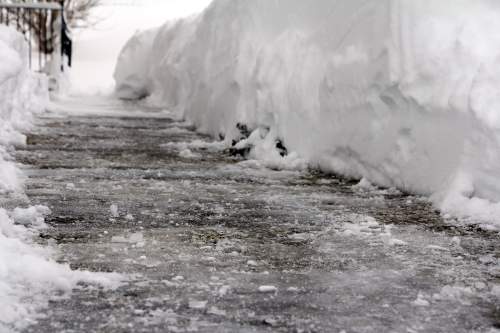
Each year, slips and falls account for over one million emergency room visits in the United States, a number that spikes during and after hazardous weather conditions. Icy patches, snow-covered walkways, rain-soaked surfaces, and melting slush all contribute to dangerous footing for pedestrians. According to the National Floor Safety Institute and related safety data, weather-related slips and falls make up a substantial portion of these incidents. Conditions like ice and snow are especially treacherous, creating a thin, often nearly invisible layer of slick surface that can cause even cautious walkers to lose balance unexpectedly.
The Centers for Disease Control and Prevention (CDC) also reports that nearly 25,000 slips, trips, and falls happen every day in the U.S., even before considering weather hazards. Slip and fall incidents become more dangerous after rain or freeze-thaw cycles because surfaces that appeared safe earlier in the day can be treacherous by evening.
Common Weather-Related Hazards That Lead to Falls
Weather is a powerful force. When rain, snow, or ice impacts a surface, the risk of slipping increases dramatically. Some of the most frequent hazards include:
- Ice and Snow Accumulation: Even thin ice sheets (often called “black ice”) can be nearly invisible yet extremely slippery. Snow can conceal uneven surfaces or patches of ice beneath.
- Rain and Slush: Rain can cause puddles and wet ground, which becomes slick when combined with tracked-in mud or debris. Melting snow and slush create additional wet conditions that persist in shaded areas.
- Melting and Refreezing: Temperatures that fluctuate above and below freezing cause melt–freeze cycles. Water can seep into cracks and then freeze, creating hidden hazards.
- Poor Lighting and Visibility: Shorter winter days and overcast conditions reduce visibility, making it harder to spot hazards such as patches of ice.
- Indoor Hazards from Outdoor Weather: Rain, snow, and ice carried into buildings on shoes and clothing can create slick floors in entryways, lobbies, and retail aisles if not cleaned and marked appropriately.
These dangerous conditions can occur anywhere: on sidewalks, parking lots, stairways, handrails, ramps, or even inside businesses where tracked-in moisture has not been properly addressed.
Injuries Caused by Weather-Related Slip and Fall Accidents
Injuries from weather-related slip and fall accidents range from mild to catastrophic, with some victims facing long-term disability or chronic pain. Common injuries include:
- Fractures and Broken Bones: Wrists, arms, hips, and ankles are especially vulnerable when people instinctively use their hands or limbs to break a fall.
- Traumatic Brain Injuries (TBIs): Head injuries can occur if the skull impacts hard ground with force, potentially leading to concussions or more serious brain trauma.
- Sprains and Strains: Muscles, tendons, and ligaments can be stretched or torn when a body twists or lands awkwardly.
- Back and Spinal Injuries: Falls can impact the spine or spinal cord, sometimes resulting in pain that lasts months or becomes permanent.
- Soft Tissue Injuries: Bruising and tissue damage often accompany slips and falls, especially when multiple impacts occur during a slide or tumble.
These injuries often require medical treatment, rehabilitation, and sometimes surgical intervention, and they can carry significant financial and emotional costs.
Legal Principles: Premises Liability and Weather-Related Falls
Slip and fall claims in Illinois are governed by a combination of premises liability law and long-standing court doctrines that specifically address weather-related hazards. While property owners are not insurers of public safety, they are required to exercise reasonable care under the circumstances. Whether an injured person can recover compensation often depends on how Illinois law applies to snow, ice, and water conditions at the location of the fall.
The Illinois Natural Accumulation Rule
Illinois follows what is known as the Natural Accumulation Rule, which generally provides that property owners are not liable for injuries caused by the natural accumulation of snow, ice, or water resulting from weather conditions. Natural accumulation includes precipitation that falls naturally or forms due to normal weather patterns, such as snowstorms, freezing rain, or melting snow that refreezes.
Under this rule, property owners are typically not required to immediately remove snow or ice while a storm is ongoing, and they are not automatically liable simply because a surface is slippery due to natural weather conditions. Courts recognize that completely eliminating all natural weather hazards is often impractical, particularly during active storms.
However, the Natural Accumulation Rule has important exceptions.
When the Natural Accumulation Rule Does NOT Apply
A property owner may still be held liable if they create or aggravate an unnatural accumulation of snow, ice, or water. Examples include:
- Improperly plowed snow that blocks drainage and causes ice buildup
- Meltwater redirected onto walkways due to faulty gutters or downspouts
- Piles of shoveled snow that later melt and refreeze in pedestrian areas
- Defective pavement or grading that allows water to pool and freeze
When a property owner’s actions, or failure to correct known conditions, make a weather hazard worse than what would naturally occur, liability may attach despite the Natural Accumulation Rule.
The Tracked-In Water Rule in Illinois
Illinois law also addresses tracked-in water, which is common during rain, snow, and ice events. The Tracked-In Water Rule generally holds that property owners are not automatically liable for injuries caused by water that is naturally tracked indoors by customers or visitors.
However, just like the Natural Accumulation Rule, this protection is not absolute. Property owners may be liable when they fail to take reasonable safety measures after becoming aware, or when they should have been aware, of dangerous indoor conditions.
Examples of negligence involving tracked-in water include:
- Failing to place absorbent mats near entrances
- Allowing water to accumulate for an extended period without cleanup
- Not using warning signs in visibly wet or slippery areas
- Ignoring recurring puddles near entrances during bad weather
Illinois courts often focus on notice and response time: whether the property owner knew or should have known about the hazardous condition and whether they took reasonable steps to address it.
How Courts Evaluate Weather-Related Liability
When determining liability in an Illinois slip and fall case after bad weather, courts typically examine:
- Whether the condition was natural or unnatural
- How long the hazard existed before the fall
- Whether the property owner had actual or constructive notice
- What steps, if any, were taken to reduce the risk
- Whether warning signs or safety measures were used
Because these cases are highly fact-specific, even claims involving snow, ice, or rain can succeed when evidence shows negligence beyond mere weather conditions.
As Naperville injury attorney John J. Malm explains:
“Property owners often rely on the natural accumulation rule as a defense, but many slip and fall cases involve conditions that go far beyond what nature alone created. The details matter, and that’s where experienced legal analysis makes all the difference.”
What to Do After a Weather-Related Slip and Fall
When a slip and fall accident occurs after bad weather, the steps you take immediately afterward can have a significant impact on your health and your potential claim:
- Seek Medical Attention Right Away: Even if you think your injuries are minor, some conditions worsen over time. Documenting injury and treatment from the outset establishes a medical record tied to the accident.
- Report the Incident: If the fall happened in a business or workplace, notify the manager or property owner and request an incident report. If it happened on public property, call the local authority or law enforcement so there is an official record.
- Preserve Evidence: Take photographs of the hazard (ice, snow, wet floor, uneven surface), as well as your injuries. Photograph the location from multiple angles and include contextual details (signage, lighting, lack of warning signs).
- Identify Witnesses: Get contact information from anyone who saw the fall or the conditions leading up to it. Eyewitness accounts can lend credibility to your claim.
- Keep Records of Everything: Retain all medical bills, receipts for treatments, documentation of lost wages, and notes on how the fall has affected your daily life.
- Contact an Experienced Illinois Premises Liability Attorney Promptly: Weather-related slip and fall cases involve both statutory law and nuanced standards of care. A skilled attorney will help you preserve crucial evidence and navigate the legal requirements effectively.
Frequently Asked Questions about Bad Weather Slip and Fall Accidents
Q: Does bad weather automatically make a property owner liable for my slip and fall?
A: No, weather itself is not negligence. Liability hinges on whether the property owner took reasonable steps to address hazards after weather conditions created them.
Q: What kinds of weather conditions lead to slip and fall claims?
A: Rain, sleet, snow, ice, slush, and melt-freeze cycles all create slippery surfaces that commonly result in falls. Both outdoor and indoor conditions caused by weather (like tracked-in moisture) can be at issue.
Q: What types of compensation can I pursue?
A: You may be entitled to compensation for medical expenses, lost income, pain and suffering, rehabilitation costs, and other damages related to your injury.
Q: Should I talk to the property owner’s insurer?
A: It’s generally advisable to consult an attorney before giving statements or accepting any offers, as insurers often aim to minimize payouts.
Contact the Trusted Illinois Slip and Fall Accident Lawyers at John J. Malm & Associates
Slip and fall accidents that occur after bad weather can lead to serious injuries and long-term consequences. If your fall was caused by hazardous conditions that a property owner failed to address, you may have a valid personal injury claim. But navigating the legal process while recovering can be overwhelming.
Our Illinois slip and fall accident attorneys are here to help. We will review your case, gather evidence, deal with insurance companies, and advocate for the full compensation you deserve. Don’t let confusion, paperwork, or delay jeopardize your rights. Contact John J. Malm & Associates today for a free, no-obligation consultation. Your health and your future matter and we are ready to fight for you.