- Free Consultation: (630) 527-4177 Tap Here to Call Us














What Is the Most Common Type of Motorcycle Accident?


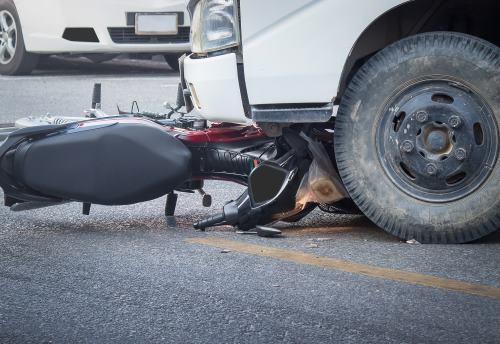
Motorcycle accidents are uniquely dangerous because riders lack the structural protection of passenger vehicles. When crashes occur, they often result in severe injuries or fatalities. Understanding the most common type of motorcycle accident is critical, not only for prevention, but also for establishing liability in personal injury claims.
The data is consistent across multiple studies and reports: the most common type of motorcycle accident is the “left-turn accident.” This type of crash occurs when a passenger vehicle turns left in front of an oncoming motorcycle, violating the rider’s right-of-way and causing a collision.
“Left-turn motorcycle accidents are among the most preventable yet most devastating crashes we see. In many cases, the driver simply failed to yield or failed to see the rider: mistakes that can have lifelong consequences for victims and their families.” — John J. Malm, Naperville motorcycle crash attorney
The Most Common Motorcycle Accident: Left-Turn Collisions
A left-turn motorcycle accident typically happens at intersections when a car or truck turns left across the path of a motorcycle traveling straight.
Key Statistics
- Approximately 42% to 43% of fatal motorcycle crashes involving another vehicle occur when that vehicle is turning left
- In one dataset, 1,098 out of 2,600 fatal motorcycle crashes (42%) involved a left-turning vehicle
- Left-turn crashes account for the largest percentage of two-vehicle motorcycle accidents overall
These numbers make left-turn accidents not just common, but dominant in motorcycle crash patterns.
Why Left-Turn Accidents Happen So Frequently
Left-turn collisions are not random. They stem from predictable human and environmental factors.
Primary Causes
- Failure to See Motorcycles (“Looked But Failed to See”)
Motorcycles are smaller and less visible than cars, leading drivers to overlook them entirely. - Misjudging Speed and Distance
Drivers often believe they have enough time to turn, underestimating how quickly a motorcycle is approaching. - Failure to Yield Right-of-Way
Traffic laws require left-turning vehicles to yield—but violations are common. - Distracted Driving
Cell phone use, navigation systems, or inattention reduce driver awareness. - Obstructed Views
Multiple lanes of traffic, large vehicles, or environmental conditions can block visibility.
According to safety data, about 41% of motorcycle crashes involve drivers who simply did not see the motorcycle.
Where These Accidents Occur Most Often
Left-turn motorcycle crashes are heavily concentrated in certain environments:
- Intersections (signalized and unsignalized)
- Driveways and parking lot exits
- Urban and suburban roadways with multiple lanes
- High-traffic corridors with frequent turning movements
Intersections are particularly dangerous because they involve multiple decision points and conflicting traffic flows.
How Left-Turn Motorcycle Accidents Happen
There are several recurring crash scenarios:
- A car turns left at a green light directly into an oncoming motorcycle
- A driver exits a side street or driveway and cuts across the rider’s path
- A vehicle attempts to “beat” traffic and miscalculates timing
- A driver fails to yield at a stop sign or red light
In many of these cases, the motorcyclist has little to no time to react.
Why These Crashes Are So Dangerous
Left-turn accidents are especially severe because of the mechanics of impact.
Common Impact Dynamics
- Head-on or T-bone collisions
- Direct frontal impact to the motorcycle
- Ejection of the rider from the bike
Common Injuries
- Traumatic brain injuries (TBI)
- Spinal cord injuries
- Fractures (arms, legs, ribs)
- Internal organ damage
- Road rash and soft tissue injuries
Motorcycles lack airbags, seatbelts, and protective frames, which significantly increases injury severity compared to passenger vehicles.
Other Common Types of Motorcycle Accidents
While left-turn crashes are the most common, several other accident types frequently occur:
Lane-Change Accidents
- Occur when drivers fail to check blind spots
- Often involve motorcycles being sideswiped
Head-On Collisions
- Among the most deadly crash types
- Account for a significant portion of motorcycle fatalities
Rear-End Collisions
- Often occur at stoplights or in traffic
- Particularly dangerous for stationary riders
Fixed Object Collisions
- Involve motorcycles hitting guardrails, trees, or barriers
- Represent about 24% of fatal motorcycle crashes
Contributing Factors in Motorcycle Accidents
Several broader risk factors increase the likelihood of motorcycle crashes:
- Speeding
- Alcohol or drug impairment
- Inexperience
- Poor road conditions
- Low visibility (nighttime or bad weather)
In some cases, liability may be shared between the motorcyclist and another driver, depending on these contributing factors.
Legal Implications of Left-Turn Motorcycle Accidents
From a legal standpoint, left-turn accidents often create a strong liability case.
Why Drivers Are Often at Fault
- Traffic laws require left-turning drivers to yield
- Failure to yield is typically considered negligence
- Violations can be supported by witness testimony, traffic cameras, and accident reconstruction
However, insurance companies frequently attempt to shift blame to motorcyclists by alleging:
- Excessive speed
- Lane splitting
- Failure to obey traffic signals
This makes thorough investigation and legal representation critical.
How Riders Can Reduce the Risk
While many crashes are caused by other drivers, motorcyclists can take proactive steps to reduce risk:
Safety Tips
- Use headlights at all times
- Wear high-visibility gear
- Slow down at intersections
- Position yourself for maximum visibility
- Assume drivers may not see you
- Avoid riding in blind spots
Defensive riding is essential, especially in high-risk environments like intersections.
FAQ: Motorcycle Accident Questions
Q: What is the most common motorcycle accident?
A: The most common type is a left-turn accident, where a vehicle turns in front of an oncoming motorcycle. These account for roughly 42% of fatal two-vehicle motorcycle crashes.
Q: Why are left-turn accidents so dangerous?
A: They often involve direct frontal impact and occur with little warning, leaving riders minimal time to react.
Q: Who is usually at fault in a left-turn motorcycle accident?
A: In most cases, the left-turning driver is at fault for failing to yield to the right-of-way.
Q: Are intersections the most dangerous place for motorcyclists?
A: Yes. Intersections are a leading location for motorcycle crashes due to multiple traffic movements and visibility challenges.
Q: What percentage of motorcycle accidents are caused by drivers not seeing the rider?
A: Approximately 41% of crashes involve drivers who failed to see the motorcycle.
Contact the Experienced Illinois Motorcycle Accident Lawyers at John J. Malm & Associates
Motorcycle accidents, especially left-turn collisions, often result in catastrophic injuries and complex legal claims. Insurance companies frequently dispute liability or attempt to minimize payouts, making it critical to have experienced legal representation.
If you or a loved one has been injured in a motorcycle accident in Naperville or anywhere in Illinois, John J. Malm & Associates is ready to help. We conduct thorough investigations, work with accident reconstruction experts, and fight aggressively to secure full compensation for medical expenses, lost income, and pain and suffering.
Contact our office today for a free consultation. We will review your case, explain your legal options, and help you take the next steps toward recovery.