- Free Consultation: (630) 527-4177 Tap Here to Call Us

















The Lifetime Costs of Catastrophic Injury Accidents


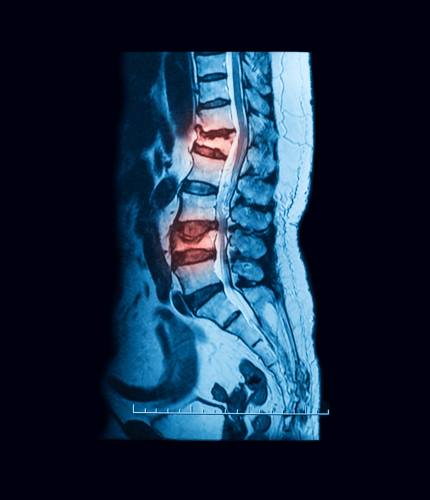
Catastrophic injuries change lives in an instant. Whether caused by motor vehicle crashes, falls, workplace incidents, or acts of violence, these injuries often result in permanent disability, long‑term medical needs, and overwhelming financial burdens. Understanding the lifetime costs associated with catastrophic injuries is essential for victims and their families as they navigate medical care, rehabilitation, and the legal process.
Catastrophic injuries, such as traumatic brain injuries (TBI), spinal cord injuries, severe burns, amputations, and multiple trauma, carry economic consequences that extend far beyond the initial emergency room visit. These costs include medical treatment, lost income, long‑term care, home modifications, and reduced quality of life. According to the CDC, the total cost of injuries in the United States reached $4.2 trillion in 2019, including medical expenses, lost work productivity, and quality‑of‑life losses.
Understanding Catastrophic Injuries and Their Financial Impact
Catastrophic injuries are defined as injuries that permanently prevent an individual from performing gainful work. These injuries often require:
- Lifelong medical treatment
- Ongoing rehabilitation
- Assistive devices
- Home and vehicle modifications
- Personal care assistance
- Psychological support
The financial impact is staggering. For example, nonfatal injuries treated in emergency departments cost an average of $5,800 in medical spending and $1,690 in work loss within the first year alone. For those requiring inpatient care, the average medical cost rises to $52,250, with an additional $7,820 in lost work productivity.
The True Lifetime Costs of Catastrophic Injury Accidents
1. Immediate Medical Costs
The first phase of catastrophic injury care includes emergency response, trauma care, surgeries, and hospitalization. These costs accumulate quickly.
- The average medical cost of fatal injuries is $45,678 per hospitalized patient and $4,777 per emergency department patient.
- Nonfatal injuries requiring hospitalization or specialized care can result in hundreds of thousands of dollars in initial treatment.
2. Long‑Term Medical and Rehabilitation Costs
Catastrophic injuries often require:
- Multiple surgeries
- Physical therapy
- Occupational therapy
- Speech therapy
- Pain management
- Mental health treatment
For many victims, these treatments continue for decades or for life.
3. Lost Income and Reduced Earning Capacity
Victims of catastrophic injuries frequently lose the ability to work entirely or must transition to lower‑paying jobs. Lost income includes:
- Immediate lost wages
- Future lost earnings
- Lost benefits (health insurance, retirement contributions, etc.)
The CDC reports that injury‑related work loss contributes significantly to the national economic burden, with millions of people treated and released from emergency departments each year facing long‑term financial consequences.
4. Long‑Term Care and Support Services
Depending on the severity of the injury, victims may require:
- In‑home nursing care
- Long‑term residential care
- Personal care attendants
- Mobility assistance
These services can cost tens of thousands of dollars annually.
5. Home and Vehicle Modifications
To accommodate disabilities, families may need to invest in:
- Wheelchair ramps
- Widened doorways
- Accessible bathrooms
- Stair lifts
- Modified vehicles
These modifications can cost anywhere from $10,000 to over $100,000 depending on the home and the level of disability.
6. Assistive Devices and Medical Equipment
Victims may require:
- Wheelchairs
- Prosthetics
- Communication devices
- Medical beds
- Respiratory equipment
These devices must often be replaced or upgraded regularly, adding to lifetime costs.
7. Quality‑of‑Life Losses
Beyond financial losses, catastrophic injuries diminish quality of life. Various studies include quality‑of‑life losses in its cost estimates, which significantly increases the total economic burden of injuries nationwide.
Statistics Highlighting the Economic Burden of Catastrophic Injuries
- More than 300,000 deaths occur annually in the U.S. due to unintentional and violence‑related injuries.
- 21 million people are treated and released from emergency departments each year for nonfatal injuries, many of which lead to long‑term complications.
- The 2019 cost of injuries in the U.S. totaled $4.2 trillion, including medical care, lost productivity, and quality‑of‑life losses.
- Falls alone account for 48,308 deaths and over $195 billion in combined costs annually.
- Firearm‑related injuries result in more than 15,000 homicides and $183 billion in combined costs each year.
These numbers underscore the immense financial burden catastrophic injuries place on individuals, families, and society.
Why Legal Representation Matters in Catastrophic Injury Cases
Catastrophic injury cases are complex. They often involve multiple liable parties, extensive medical documentation, expert testimony, and long‑term financial projections. Insurance companies frequently attempt to minimize payouts, leaving victims without the resources they need for lifelong care.
An experienced Illinois catastrophic injury attorney can:
- Investigate the cause of the accident
- Identify all liable parties
- Work with medical and financial experts
- Calculate lifetime costs
- Negotiate aggressively with insurance companies
- Take the case to trial if necessary
As Illinois personal injury attorney John J. Malm emphasizes: “Catastrophic injury cases require meticulous preparation and a deep understanding of both the medical and legal issues involved. Our clients deserve full compensation for the lifelong challenges they face.”
Frequently Asked Questions about Catastrophic Injury Cases
What qualifies as a catastrophic injury?
A catastrophic injury is one that results in permanent disability or long‑term impairment, such as traumatic brain injuries, spinal cord injuries, severe burns, amputations, or multiple trauma.
How are lifetime costs calculated?
Attorneys and experts evaluate medical records, projected care needs, lost income, inflation, and quality‑of‑life losses to determine the full economic impact.
Will insurance cover all my long‑term costs?
Typically, no. Insurance companies often offer settlements that fall far short of covering lifetime expenses. Legal representation is essential to secure full compensation.
How long do I have to file a catastrophic injury claim?
In Illinois, most personal injury claims must be filed within two years, but exceptions may apply.
What if my loved one suffered a fatal catastrophic injury?
Families may pursue a wrongful death claim to recover medical costs, funeral expenses, lost income, and loss of companionship.
Contact the Trusted Illinois Catastrophic Injury Lawyers at John J. Malm & Associates
Catastrophic injuries create lifelong challenges: physically, emotionally, and financially. The lifetime costs can reach millions of dollars, and without strong legal advocacy, victims and their families may struggle to secure the resources they need for ongoing care and stability.
If you or a loved one has suffered a catastrophic injury, you don’t have to face this journey alone. John J. Malm & Associates has the experience, dedication, and resources to fight for the full compensation you deserve. We understand the profound impact these injuries have on your life, and we are committed to standing by your side every step of the way.
Contact our firm today for a free consultation. Your future depends on the actions you take now. Let us help you protect it.