- Free Consultation: (630) 527-4177 Tap Here to Call Us














How to File a Nursing Home Complaint with the Illinois Department of Public Health


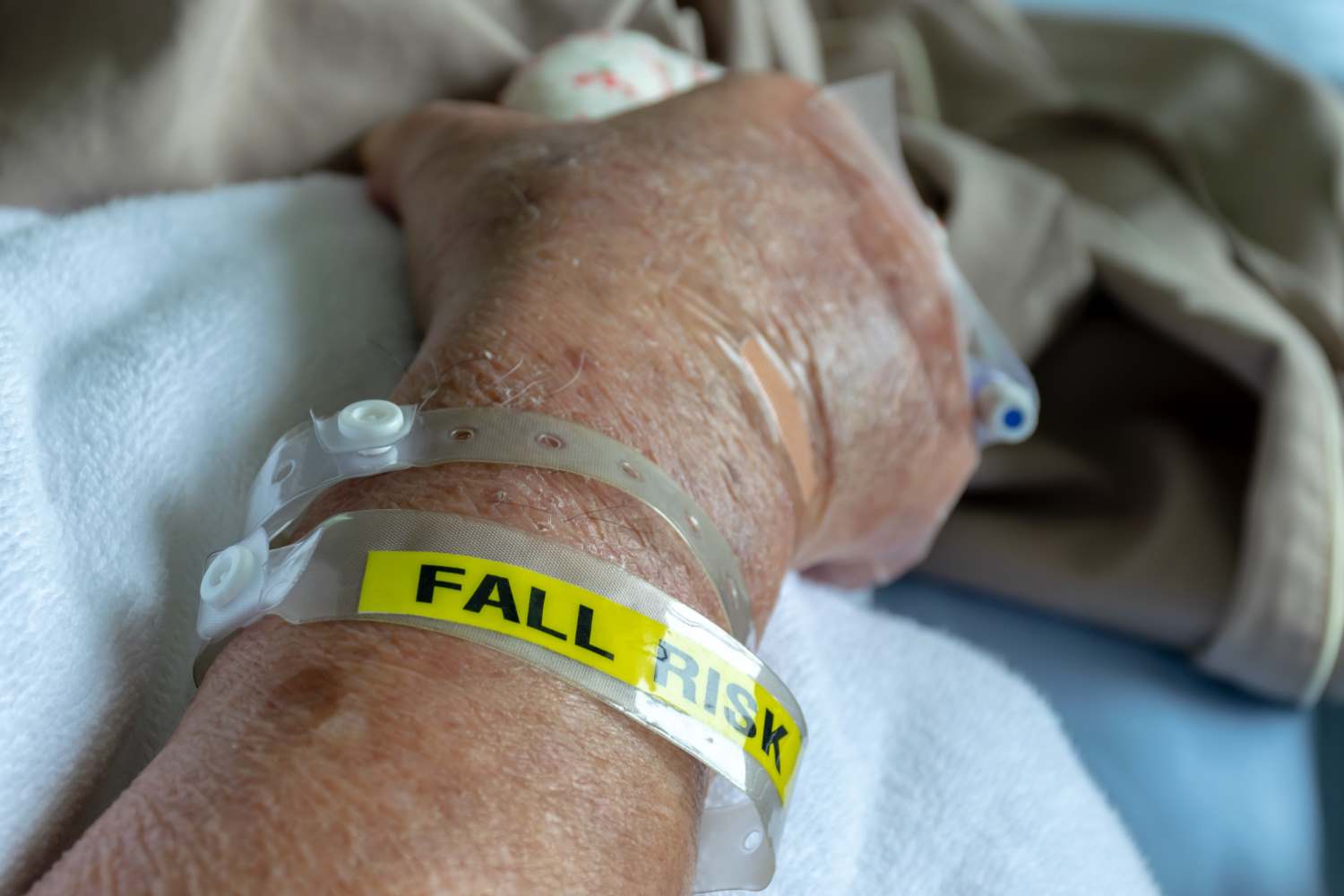
When a loved one suffers poor treatment in a nursing home, including neglect, abuse, or violations of state and federal standards, filing a formal complaint with the Illinois Department of Public Health (IDPH) is often the first critical step toward accountability and reform. This guide explains how the complaint process works, why it matters, what you should know before filing, and how families can protect residents’ rights in long-term care.
“Every family deserves peace of mind knowing that their loved one is treated with dignity and respect. Filing a complaint with the Illinois Department of Public Health helps protect residents and demands accountability from facilities that fail to provide the care our loved ones deserve. — John J. Malm, Naperville nursing home injury lawyer
Why Filing a Complaint Matters
Nursing homes in Illinois serve a vulnerable population. The state has approximately 1,200 long-term care facilities caring for more than 100,000 residents; oversight is essential to ensuring these residents receive safe, respectful, and dignified care.
Despite regulatory oversight, problems persist. The IDPH hotline receives nearly 19,000 nursing home-related calls each year, and the agency responds to more than 5,000 formal complaints about care quality, abuse, neglect, medication errors, infection control failures, and resident rights violations.
Filing a complaint does more than register your concern, it triggers a formal review that can lead to facility inspections, internal corrective plans, penalties, or further enforcement actions.
The Role of the Illinois Department of Public Health
The IDPH licenses and regulates nursing homes under state law and enforces compliance with both state and federal care standards. Under agreements with the Centers for Medicare & Medicaid Services (CMS), the IDPH also ensures that nursing homes participating in Medicare and Medicaid comply with federal requirements.
These responsibilities include:
- Receiving and investigating complaints about nursing home quality of care and resident safety.
- Conducting onsite surveys and inspections when concerns are raised.
- Taking enforcement actions, which can range from required corrective plans to fines or license restrictions.
- Ensuring reporting and transparency around violations and inspection outcomes.
How to File a Nursing Home Complaint
The IDPH offers multiple ways to file a nursing home complaint so families and advocates can choose the method that works best for them:
1. Telephone
Call the Central Complaint Registry Hotline at:
- 800-252-4343 (voice)
- 800-547-0466 (TTY for hearing-impaired individuals)
The hotline operates during business hours and can be used to report suspected abuse, neglect, unsafe conditions, or other violations.
2. Online
Complaints can be submitted through the IDPH’s Office of Health Care Regulation (OHCR) Portal, where you can file electronically, often the most efficient way to submit detailed information.
3. Mail
Download and complete the Health Care Facilities Complaint Form, then mail it to:
Illinois Department of Public Health
Office of Health Care Regulation
Central Complaint Registry
525 W. Jefferson St., Ground Floor
Springfield, IL 62761-0001
4. Email or Fax
- Email: DPH.CCR@illinois.gov
- Fax: 217-524-8885
What Information You Should Include
When filing a complaint, IDPH asks for clear, specific details to evaluate and investigate the issue. Helpful information includes:
- Who: The resident’s name, the facility involved, and names of staff involved, if known.
- What: A description of the alleged harm or unsafe condition (e.g., abuse, neglect, medication errors, unsanitary environment).
- When: Dates and times when the incident occurred.
- Where: The name and location of the facility; include unit or room if applicable.
- How: The way in which the resident was harmed or put at risk.
- Response: What action, if any, the nursing home took before you filed the complaint.
In many cases, the more detailed and organized the information you provide, the more effective the IDPH investigation can be.
What Happens After You File a Complaint
Once a complaint is received, the IDPH:
- Logs the complaint in its system.
- Reviews the allegation to determine urgency and severity.
- Prioritizes the complaint; allegations of harm or safety risks are addressed rapidly.
- Conducts an investigation, which may include unannounced onsite reviews, interviews with residents and staff, and medical record examination.
- Issues findings, which may include deficient practices or violation notices.
- Imposes corrective actions, penalties, or enforcement: including fines or license restrictions, depending on the severity of the violation.
Not all investigations take the same amount of time: those involving immediate danger can begin within 24 hours, while others may take longer.
Complaints may be filed anonymously, but providing contact information allows the department to update you on investigation progress.
Common Types of Nursing Home Complaints
While any safety concern can be reported, typical complaint categories include:
- Neglect (e.g., failure to assist with daily care, resulting in bedsores or dehydration).
- Abuse (physical, emotional, or financial exploitation).
- Medication errors and improper medication distribution.
- Unsanitary or unsafe living conditions.
- Violation of resident rights (e.g., unauthorized discharge or restricted visitation).
- Infection control failures that endanger residents’ health.
Understanding common complaint types can help families identify when a report is warranted.
Tips for Preparing Your Complaint
Before filing, consider taking the following steps:
- Document incidents with dates, times, photos, or notes.
- Speak with facility staff or supervisors before filing: sometimes problems are due to miscommunication and can be resolved internally.
- Contact a long-term care ombudsman for advocacy support from the Illinois Department on Aging.
- Ombudsmen can guide you and may accompany you through the complaint process.
What You Can Expect From an Investigation
A nursing home investigation may involve:
- Interviews with residents and witnesses.
- Medical record reviews.
- Physical inspection of the facility.
- Staff interviews and policy review.
If violations are found, the IDPH may:
- Require the facility to submit a plan of correction.
- Impose fines or enforce penalties.
- Place conditions on the facility’s license.
- In extreme cases, suspend or revoke a license.
Frequently Asked Questions about Filing a Nursing Home Complaint With IDPH
Q: Can I file a complaint anonymously?
A: Yes. You may file anonymously, though providing contact information allows you to receive updates on the investigation.
Q: Who can file a complaint?
A: Anyone can file a complaint, including residents, family members, caregivers, staff members, or advocacy groups.
Q: Will my identity be disclosed to the facility?
A: IDPH does not disclose your identity to the nursing home unless you give permission or a court orders disclosure.
Q: How long does an investigation take?
A: It varies. Investigations involving serious harm may begin within 24 hours, others may take several weeks to months.
Q: Does filing a complaint replace legal action?
A: No. Filing a complaint does not replace a lawsuit. A complaint triggers a regulatory investigation. A legal action for damages requires separate legal procedures.
Contact the Top-Rated Illinois Nursing Home Abuse Attorneys at John J. Malm & Associates
If you suspect that a nursing home resident is being harmed, ignored, or treated unfairly, filing a complaint with the Illinois Department of Public Health is a critical step toward ensuring their safety and well-being. With thousands of complaints filed each year through the IDPH hotline and complaint system, regulatory oversight plays a vital role in resident protection.
But regulatory action alone may not be enough to secure justice, compensation for harm, or long-term protection for your loved one. If you believe your family member suffered neglect, abuse, or serious injuries in a nursing home, John J. Malm & Associates is here to help.
Contact our experienced Illinois nursing home negligence attorneys today for a free consultation. We can help you understand your rights, guide you through the legal process, and work to hold nursing homes accountable for their actions. Your loved one deserves justice, and we are ready to fight for it.