- Free Consultation: (630) 527-4177 Tap Here to Call Us











Does Not Wearing a Motorcycle Helmet Affect Your Accident Compensation in Illinois?


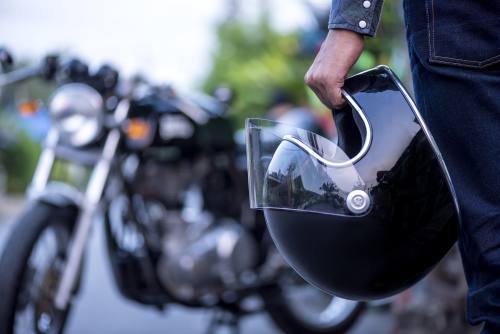
Motorcycle riders face a significantly greater risk of serious injury than occupants of passenger vehicles. While helmets are proven to reduce the likelihood of traumatic brain injuries and fatalities, Illinois remains one of the few states that does not require motorcycle riders to wear helmets. This often leads injured riders to ask an important question after a crash: Will not wearing a helmet reduce my personal injury settlement?
The answer is it depends. Simply choosing not to wear a helmet does not automatically prevent you from recovering compensation after a motorcycle accident in Illinois. However, in certain cases, the insurance company may argue that your decision not to wear a helmet contributed to the severity of your injuries.
“Insurance companies often try to shift the focus away from the careless driver and onto the injured motorcyclist. Whether or not a rider was wearing a helmet, the key legal question is who caused the crash. Every case deserves a careful investigation backed by evidence, not assumptions.” — John J. Malm, Naperville motorcycle accident attorney
Illinois Does Not Have a Motorcycle Helmet Law
Unlike many other states, Illinois does not require motorcycle operators or passengers to wear helmets, regardless of age or riding experience. Illinois is one of only a handful of states without any motorcycle helmet requirement. Because there is no legal requirement to wear a helmet, riding without one is not considered a traffic violation.
That distinction is important because violating a safety law can sometimes influence liability arguments. Since Illinois has no helmet mandate, insurance companies cannot simply claim you were “breaking the law” by riding without a helmet. However, that does not stop insurers from attempting to shift blame in injury claims.
How Comparative Negligence Works in Illinois
Illinois follows a modified comparative negligence system under 735 ILCS 5/2-1116.
Under this law:
- You can recover damages if you are 50% or less at fault
- Your compensation is reduced by your percentage of fault
- If you are more than 50% responsible, you cannot recover damages
Most motorcycle crashes are caused by:
- Drivers turning left in front of motorcycles
- Failure to yield
- Distracted driving
- Speeding
- Unsafe lane changes
- Following too closely
When another driver causes the collision, helmet use generally does not affect who caused the crash. Instead, it may become relevant only when discussing how severe certain injuries became.
Can Not Wearing a Helmet Reduce Your Compensation?
Sometimes, but only under certain circumstances. Insurance companies frequently argue that an injured rider “failed to mitigate damages” because they were not wearing a helmet. Whether that argument succeeds depends on the injuries involved.
For example:
Helmet Use May Matter
A helmet could potentially affect claims involving:
- Traumatic brain injuries
- Skull fractures
- Facial fractures
- Severe head lacerations
- Certain eye injuries
If medical experts conclude that a DOT-approved helmet would likely have prevented or reduced those injuries, the defense may argue your damages should be reduced.
Helmet Use Usually Does Not Matter
Helmet use generally has little or no effect on compensation involving:
- Broken legs
- Broken arms
- Pelvic fractures
- Internal organ injuries
- Spinal injuries unrelated to head trauma
- Road rash
- Shoulder injuries
- Hand injuries
A helmet would not have prevented these injuries, making the defense argument much weaker.
Insurance Companies Often Raise the Helmet Defense
Insurance adjusters look for every opportunity to reduce claim value. Common arguments include:
- Your head injuries would have been less severe.
- You assumed the risk of injury.
- You failed to protect yourself.
- Your medical expenses increased because you chose not to wear a helmet.
These arguments sound persuasive, but they are not automatically accepted by Illinois courts. The defense typically needs medical testimony and accident reconstruction evidence showing that helmet use actually changed the extent of the injury.
The Driver Who Caused the Crash Is Still Responsible
One of the biggest misconceptions is that riding without a helmet excuses negligent drivers. It does not. If another driver:
- Runs a red light
- Makes an unsafe left turn
- Rear-ends your motorcycle
- Texts while driving
- Drifts into your lane
- Fails to yield
they remain responsible for causing the collision. Helmet use generally affects only the discussion about damages, not liability.
What the Research Says About Motorcycle Helmets
There is overwhelming scientific evidence that motorcycle helmets save lives. According to the National Highway Traffic Safety Administration (NHTSA), properly fitted DOT-compliant helmets reduce motorcycle rider fatalities by approximately 22% to 42% and reduce brain injuries by 41% to 69%.
Additional safety statistics include:
- Nearly 6,000 motorcyclists died nationwide in 2022.
- More than 218,000 riders were treated in emergency departments for crash injuries.
- Motorcyclists experienced a fatality rate nearly 22 times higher than passenger vehicle occupants per vehicle mile traveled.
- States with universal helmet laws experience significantly lower motorcycle fatality rates than states without helmet requirements.
These statistics explain why insurers often focus on helmet use during settlement negotiations.
Expert Medical Testimony Often Determines the Outcome
Whether helmet use affects compensation frequently becomes a battle between medical experts.
Experts may evaluate:
- Speed at impact
- Point of impact
- Helmet design
- Head movement during the crash
- Biomechanical forces
- Medical imaging
- Nature of the injuries
Sometimes experts conclude a helmet would have made little difference. Other times they may determine it likely would have prevented a serious brain injury. Every case depends on its own facts.
Common Motorcycle Injuries Unrelated to Helmet Use
Motorcycle crashes frequently produce devastating injuries that helmets cannot prevent.
Examples include:
- Multiple fractures
- Crush injuries
- Road rash
- Spinal cord injuries
- Paralysis
- Internal bleeding
- Knee injuries
- Hip fractures
- Shoulder injuries
- Wrist fractures
Even if a helmet could have reduced a head injury, the rider may still recover compensation for many other injuries caused by the negligent driver.
What Evidence Strengthens Your Motorcycle Injury Claim?
Building a strong motorcycle accident case involves gathering substantial evidence. Important evidence includes:
- Police reports
- Crash scene photographs
- Motorcycle damage
- Surveillance video
- Helmet inspection (if worn)
- Medical records
- Witness statements
- Accident reconstruction reports
- Black box vehicle data
- Cell phone records showing distracted driving
The stronger the evidence proving the other driver’s negligence, the more difficult it becomes for an insurer to shift blame.
How Insurance Companies Try to Use Bias Against Motorcyclists
Motorcyclists often face unfair stereotypes. Insurance companies may suggest riders are:
- Reckless
- Speeding
- Aggressive
- Risk takers
- Responsible simply because they ride motorcycles
These assumptions are often unsupported by the evidence. A thorough investigation frequently reveals the driver, not the rider, caused the collision.
What If You Suffered a Traumatic Brain Injury?
Brain injuries often become the primary focus of helmet-related disputes. Insurance companies may hire:
- Neurologists
- Neurosurgeons
- Biomechanical engineers
- Accident reconstruction experts
An experienced motorcycle accident attorney can present expert testimony showing:
- The crash itself caused the injury.
- The injury would have occurred even with a helmet.
- Other injuries account for the majority of damages.
- The driver’s negligence remains the primary cause of the losses.
Frequently Asked Questions about Motorcycle Accidents
Can I recover compensation if I wasn’t wearing a helmet in Illinois?
Yes. Illinois law does not require motorcycle helmets, so you may still pursue compensation if another driver caused the accident.
Will the insurance company reduce my settlement?
Possibly. If your injuries involve head trauma, the insurer may argue that helmet use would have reduced the severity of those injuries. Whether that argument succeeds depends on the evidence and expert testimony.
Does not wearing a helmet mean I was negligent?
Not necessarily. Since Illinois has no helmet law, riding without one is not automatically considered negligence. Liability for causing the crash and the extent of your injuries are separate legal issues.
What if my injuries had nothing to do with my head?
Helmet use is generally irrelevant to injuries such as broken bones, spinal injuries, internal organ damage, road rash, or shoulder injuries because a helmet would not have prevented them.
Should I speak with the insurance company before hiring an attorney?
It is usually best to consult with an attorney first. Insurance adjusters may ask questions designed to minimize your claim or use your statements to argue that your own choices contributed to your injuries.
Contact the Top Illinois Motorcycle Accident Attorneys at John J. Malm & Associates
Motorcycle accident claims are rarely straightforward, and insurance companies often look for ways to reduce or deny compensation, especially when a rider was not wearing a helmet. Although Illinois does not require helmets, insurers may still attempt to argue that your injuries were more severe because you chose not to wear one. Successfully responding to those arguments requires a careful investigation, qualified medical experts, and experienced legal advocacy.
At John J. Malm & Associates, our Illinois motorcycle accident attorneys understand the unique challenges motorcycle accident victims face. We work diligently to prove the other driver’s negligence, challenge unfair blame-shifting tactics, and pursue the full compensation our clients deserve for medical expenses, lost income, pain and suffering, and future care. If you or a loved one has been injured in a motorcycle accident anywhere in Illinois, contact John J. Malm & Associates today for a free consultation. We are ready to protect your rights and help you move forward with confidence.