- Free Consultation: (630) 527-4177 Tap Here to Call Us















Do Concussions From Personal Injuries Show Up on MRIs and CT Scans?


A concussion is one of the most common injuries resulting from car accidents, falls, sports injuries, workplace incidents, and other traumatic events. Yet many people are surprised to learn that even when they are suffering from serious concussion symptoms, their MRI or CT scan may appear completely normal.
After a head injury, patients often visit an emergency room expecting imaging tests to reveal the extent of their injury. When doctors tell them their CT scan or MRI is normal, they may wonder whether they actually suffered a concussion at all. The reality is that most concussions do not appear on traditional imaging studies, even when symptoms are significant and long-lasting.
Understanding why concussions often do not show up on MRI or CT scans can help injury victims seek appropriate medical care and avoid misconceptions that may affect their recovery or personal injury claim.
“As personal injury attorneys, we frequently represent clients who suffer serious concussion symptoms despite having normal MRI or CT scans. The absence of visible findings on imaging does not mean the injury is insignificant, and victims deserve to have their symptoms taken seriously.” — John J. Malm, Naperville injury attorney
Understanding What a Concussion Is
A concussion is a form of mild traumatic brain injury (TBI) caused by a blow, bump, jolt, or sudden movement that causes the brain to move rapidly inside the skull. The injury can disrupt normal brain function, resulting in physical, cognitive, emotional, and sleep-related symptoms.
Unlike severe traumatic brain injuries that may involve bleeding, bruising, or structural damage visible on imaging studies, concussions often involve microscopic changes to brain cells, stretching of nerve fibers, and chemical changes within the brain. These abnormalities frequently cannot be detected using standard CT or MRI technology.
Common concussion symptoms include:
- Headaches
- Dizziness
- Nausea
- Balance problems
- Sensitivity to light and noise
- Memory difficulties
- Confusion
- Difficulty concentrating
- Fatigue
- Sleep disturbances
- Mood changes
- Anxiety or depression
Symptoms may develop immediately after an injury or emerge hours or days later.
The Short Answer: Most Concussions Do Not Show Up on CT Scans
One of the most common misconceptions about concussions is that a CT scan can confirm or rule out the injury. In reality, CT scans are primarily used to identify serious structural injuries such as:
- Brain bleeding
- Skull fractures
- Brain swelling
- Hemorrhages
- Other life-threatening complications
The Centers for Disease Control and Prevention (CDC) explains that CT scans are generally not necessary to diagnose a concussion itself and are instead used when healthcare providers suspect a more serious brain injury.
Similarly, the Mayo Clinic notes that CT scans are commonly used immediately after a head injury to determine whether bleeding or swelling has occurred within the skull. Therefore, a normal CT scan does not mean that a person did not suffer a concussion. It simply means that no major structural abnormalities were detected.
Can an MRI Detect a Concussion?
MRI scans provide much more detailed images of the brain than CT scans. However, even MRIs often fail to show evidence of a concussion. Traditional MRI studies are designed to identify structural abnormalities such as:
- Brain tumors
- Stroke
- Bleeding
- Infections
- Significant tissue damage
Because many concussion-related changes occur at a microscopic level, they frequently remain invisible on conventional MRI scans. According to the Mayo Clinic, MRI may sometimes identify complications or changes in the brain following a concussion, but it is not routinely used to diagnose the injury itself.
Many patients with severe symptoms, including headaches, dizziness, cognitive impairment, and post-concussion syndrome, have completely normal MRI results.
Why Imaging Often Appears Normal After a Concussion
The reason concussions frequently evade detection on MRI and CT scans lies in the nature of the injury. A concussion typically affects how the brain functions rather than how it looks.
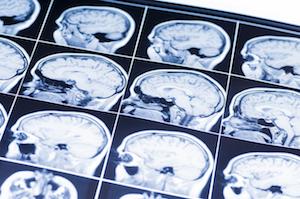
While severe traumatic brain injuries may create visible structural damage, concussions often involve:
- Chemical changes in the brain
- Temporary disruption of neural pathways
- Microscopic stretching of nerve fibers
- Changes in brain metabolism
- Functional disturbances affecting cognition and balance
The CDC explains that the rapid movement of the brain during a concussion can cause chemical changes and stretching of brain cells. These subtle alterations may significantly affect a person’s functioning without creating abnormalities visible on standard imaging studies.
This is why physicians frequently diagnose concussions based on symptoms, neurological examinations, cognitive testing, and the circumstances of the injury rather than imaging results.
How Doctors Actually Diagnose a Concussion
Because CT scans and MRIs are often normal, doctors rely on clinical evaluations to diagnose concussions. A concussion assessment may include:
Medical History
Physicians review:
- How the injury occurred
- Whether there was loss of consciousness
- Amnesia surrounding the event
- Current symptoms
- Prior concussion history
Neurological Examination
Doctors evaluate:
- Balance
- Coordination
- Reflexes
- Vision
- Hearing
- Strength
- Sensation
Cognitive Testing
Healthcare providers may assess:
- Memory
- Concentration
- Attention
- Processing speed
- Problem-solving abilities
The Mayo Clinic notes that neurological and cognitive evaluations are important components of concussion diagnosis.
Advanced Imaging and Emerging Technology
Researchers continue to develop advanced imaging techniques capable of detecting subtle brain changes associated with concussions.
These technologies may include:
- Functional MRI (fMRI)
- Diffusion Tensor Imaging (DTI)
- Magnetic Resonance Spectroscopy (MRS)
- Specialized brain mapping techniques
Some research studies have demonstrated that advanced imaging can identify abnormalities not visible on standard MRI or CT scans. However, these technologies are generally used for research purposes and are not routinely available in most hospitals or emergency departments.
For most patients, concussion diagnosis remains based on symptoms and clinical examination rather than imaging findings.
Why a Normal Scan Can Create Problems in Personal Injury Cases
One challenge concussion victims often face is the misconception that a normal MRI or CT scan means they are not injured. Insurance companies frequently attempt to use normal imaging results to minimize claims. However, medical science clearly recognizes that concussions often occur without visible findings on traditional imaging studies.
A person may experience:
- Persistent headaches
- Memory problems
- Cognitive deficits
- Balance disturbances
- Emotional changes
- Post-concussion syndrome
Even when every imaging study appears normal. For this reason, medical records, neurological evaluations, neuropsychological testing, and symptom documentation often play a critical role in proving concussion-related injuries.
Post-Concussion Syndrome
Most people recover from a concussion within several weeks. However, some individuals experience symptoms for months or even years. This condition is known as post-concussion syndrome and may include:
- Chronic headaches
- Dizziness
- Cognitive impairment
- Sleep disturbances
- Anxiety
- Depression
- Sensitivity to light and sound
Importantly, many patients suffering from post-concussion syndrome continue to have normal CT and MRI results. The absence of imaging abnormalities does not negate the existence or severity of their symptoms.
Frequently Asked Questions about Concussions After a Personal Injury Accident
Q: Can you have a concussion if your CT scan is normal?
A: Yes. Most concussions do not appear on CT scans. CT imaging is primarily used to detect serious complications such as brain bleeding, swelling, or skull fractures.
Q: Does a normal MRI rule out a concussion?
A: No. Many concussion patients have completely normal MRI results. Diagnosis is generally based on symptoms, neurological examinations, and cognitive testing rather than imaging alone.
Q: Why would a doctor order a CT scan after a concussion?
A: A CT scan may be ordered to rule out potentially life-threatening injuries such as brain hemorrhages, swelling, or skull fractures.
Q: Is an MRI better than a CT scan for detecting concussions?
A: MRIs provide greater detail than CT imaging and may identify some complications that CT scans miss. However, neither test reliably detects most concussions.
Q: What tests are most commonly used to diagnose a concussion?
A: Doctors typically rely on symptom assessments, neurological examinations, cognitive testing, balance testing, and medical history evaluations.
Q: Can concussion symptoms last for months?
A: Yes. Some individuals develop post-concussion syndrome, which can cause symptoms to persist for months or even longer after the initial injury.
Contact the Complex Illinois Concussion Injury Lawyers at John J. Malm & Associates
If you suffered a concussion in a car accident, truck accident, bicycle crash, slip and fall, workplace accident, or other incident caused by someone else’s negligence, it is important to understand that a normal MRI or CT scan does not mean you are uninjured. Concussions frequently produce significant symptoms without visible findings on traditional imaging studies. Insurance companies may attempt to use normal scans to dispute legitimate claims, but experienced legal representation can help ensure that your injuries are properly documented and valued.
At John J. Malm & Associates, we understand the complex medical issues involved in concussion and traumatic brain injury cases. Contact our office today for a free consultation to discuss your rights and learn how we can help you pursue the compensation you deserve.