- Free Consultation: (630) 527-4177 Tap Here to Call Us













How Brain Injuries From Personal Injury Accidents Affect Children


Brain injuries are among the most serious and life-altering injuries a child can suffer. When a child sustains a traumatic brain injury (TBI) in a personal injury accident, such as a car crash, pedestrian accident, slip and fall, or sports-related incident, the consequences can extend far beyond the initial medical emergency. Because a child’s brain is still developing, the effects of a brain injury may not fully emerge for years, impacting learning, behavior, emotional regulation, and long-term independence.
In this blog, we examine how brain injuries affect children physically, cognitively, emotionally, and socially. Our child injury attorneys discuss when these injuries may form the basis of a personal injury claim and how families can protect their child’s future.
Understanding Traumatic Brain Injuries in Children
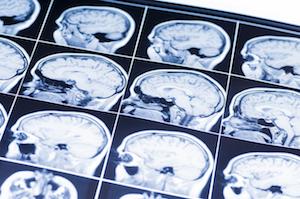
A traumatic brain injury occurs when a sudden blow, jolt, or penetrating injury disrupts normal brain function. TBIs range from mild concussions to severe injuries involving bleeding, swelling, or permanent structural damage.
According to the Centers for Disease Control and Prevention, nearly 474,000 children ages 0 to 14 are treated in U.S. emergency departments every year for traumatic brain injuries, making TBI one of the leading causes of childhood injury-related disability. Brain injuries are also a contributing factor in nearly one-third of all injury-related deaths across all age groups.
Children are particularly vulnerable because their brains are still forming neural connections essential for learning, impulse control, and emotional development.
Common Causes of Brain Injuries in Childhood Accidents
Brain injuries in children most often occur during everyday activities and common personal injury scenarios, not rare or extreme events.
Leading Causes of Pediatric Brain Injuries Include:
- Falls, especially among children under age 4
- Motor vehicle accidents, including car, pedestrian, and bicycle crashes
- Sports and recreational injuries
- Struck-by or struck-against incidents
- Assault and abuse, particularly in adolescents
Falls alone account for a significant share of pediatric TBIs. Research shows that over 80% of TBIs in very young children are caused by falls, while motor vehicle accidents become a leading cause as children reach adolescence. Among teenagers, assaults and sports injuries also play a substantial role.
Immediate Medical Effects of Brain Injuries in Children
The short-term effects of a brain injury can vary widely depending on severity, location of the injury, and the child’s age. Even so-called “mild” TBIs can have serious consequences.
Common acute symptoms include:
- Loss of consciousness or altered awareness
- Headaches, dizziness, and nausea
- Sensory disturbances such as light or noise sensitivity
- Confusion, memory loss, or slowed thinking
- Mood changes, irritability, or excessive fatigue
Approximately 48% of children with TBIs experience loss of consciousness, and many exhibit neurological symptoms that require ongoing monitoring and treatment.
Long-Term Cognitive and Learning Impacts
One of the most concerning aspects of childhood brain injury is its effect on learning and cognitive development. Unlike adults, children may appear to recover initially, only to develop deficits later as academic demands increase.
Studies show that children who suffer TBIs are at increased risk for:
- Attention deficits
- Memory impairment
- Slower information processing
- Language and communication difficulties
- Academic underachievement
Research following children for years after a brain injury confirms that severe pediatric TBIs are associated with persistent cognitive deficits, particularly in areas of executive functioning and problem-solving. These challenges can require special education services and long-term academic accommodations.
Behavioral and Emotional Consequences of Pediatric Brain Injuries
Brain injuries do not only affect how a child thinks, they also affect how a child behaves and interacts with others. Medical literature shows that up to 50% of children who sustain a brain injury develop behavioral or emotional problems, which may worsen over time rather than improve .
These issues may include:
- Increased aggression or impulsivity
- Anxiety and depression
- Difficulty regulating emotions
- Social withdrawal or inappropriate behavior
Because these symptoms can emerge months or years after the injury, families may not immediately connect them to the original accident.
The Unique Risk of “Growing Into Deficits”
A particularly troubling aspect of pediatric brain injury is what doctors refer to as “growing into deficits.” As children age, their brains are expected to develop more complex cognitive and social skills. When a brain injury disrupts this development, deficits may only become apparent later in childhood or adolescence.
Research confirms that children with early-life TBIs face a high risk of long-term functional impairment, especially when injuries are moderate to severe. This delayed manifestation makes early diagnosis, monitoring, and legal protection especially important.
Financial and Family Impact of Childhood Brain Injuries
Brain injuries in children often place enormous emotional and financial strain on families. Long-term costs may include:
- Repeated medical evaluations and imaging
- Neuropsychological testing
- Speech, occupational, and physical therapy
- Special education services
- Lifelong care for severe injuries
These expenses can reach hundreds of thousands, or even millions, of dollars over a child’s lifetime, underscoring the importance of holding negligent parties accountable.
When a Child’s Brain Injury Becomes a Personal Injury Case
Many childhood brain injuries result from preventable accidents caused by negligence. Examples include:
- Distracted or reckless driving
- Unsafe property conditions
- Defective products
- Inadequate supervision at schools or childcare facilities
As Naperville personal injury lawyer John J. Malm explains:
“When a child suffers a brain injury because someone failed to follow basic safety rules, the consequences can last a lifetime. Personal injury claims are not just about compensation, they are about securing the resources a child needs to recover, learn, and thrive.”
Illinois law allows families to pursue compensation for both immediate and future damages, including long-term care and loss of normal life.
Frequently Asked Questions about Brain Injuries in Children
Q: How common are brain injuries in children?
A: Each year, nearly half a million children in the U.S. receive emergency treatment for TBIs, making brain injuries one of the most common serious childhood injuries.
Q: Can a mild concussion still cause long-term problems?
A: Yes. Even mild TBIs can lead to persistent cognitive, emotional, and behavioral issues, particularly when injuries are repeated.
Q: How long does recovery take for a child with a brain injury?
A: Recovery varies widely. While many children recover within months, others experience lifelong impairments, especially after moderate or severe TBIs.
Q: Can parents file a lawsuit on behalf of an injured child?
A: Yes. Parents or legal guardians can pursue personal injury claims to recover compensation for medical care, therapy, and future needs.
Q: Why is early legal action important?
A: Evidence can be lost, and long-term damages must be properly documented early to ensure full compensation for future care and services.
5-Star Rated Naperville Personal Injury Attorneys Protecting a Child’s Future After a Brain Injury
Brain injuries from personal injury accidents can change the trajectory of a child’s life. What begins as a sudden accident can evolve into years of medical treatment, educational challenges, and emotional hardship. Families should never be left to shoulder these burdens alone, especially when a child’s injury was preventable.
At John J. Malm & Associates, our top-rated Illinois injury lawyers have extensive experience advocating for injured children and their families. We work with medical experts, educators, and life-care planners to pursue the full compensation necessary to protect a child’s future.
If your child suffered a brain injury in a personal injury accident, contact our firm today for a free consultation. We are ready to evaluate your case, explain your legal options, and fight for the resources your child needs to heal and succeed.