- Free Consultation: (630) 527-4177 Tap Here to Call Us














Can a Wrongful Death Case Be Reopened After Settlement?


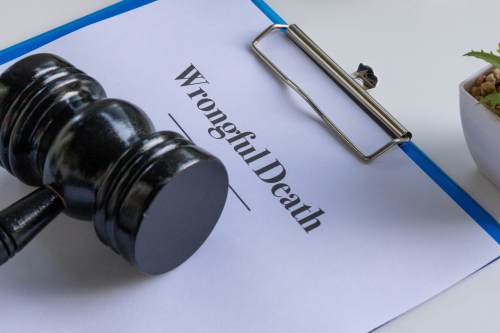
The loss of a loved one due to someone else’s negligence is devastating. When a wrongful death claim is settled, families often hope the legal process is finally behind them. However, questions sometimes arise months or even years later. New evidence may surface, an insurance company may have concealed information, or surviving family members may discover that the settlement was far less than the case was actually worth. This often leads families to ask: Can a wrongful death case be reopened after settlement?
In most situations, the answer is no. Once a wrongful death claim has been settled and the parties have signed a release agreement, the settlement is considered final. However, there are limited circumstances in which a settlement may be challenged or set aside. Understanding when a wrongful death case can and cannot be reopened is important for protecting your family’s legal rights.
“A wrongful death settlement is often the final chapter in a family’s legal case. Because reopening a settlement is extremely difficult, it is critical to fully investigate the facts, identify all sources of insurance coverage, and understand the true value of the claim before signing any release. Once a settlement is finalized, opportunities to seek additional compensation may be very limited.” — John J. Malm, Naperville fatal accident attorney
Understanding Wrongful Death Settlements
A wrongful death claim allows surviving family members to seek compensation when a person dies because of another party’s negligence, recklessness, or wrongful conduct. In Illinois, wrongful death claims are governed by the Illinois Wrongful Death Act.
Most wrongful death cases resolve through settlement rather than trial. According to the U.S. Department of Justice, the vast majority of civil claims are settled before reaching a jury verdict. Settlements are common because they provide certainty, avoid lengthy litigation, and allow families to receive compensation sooner.
A wrongful death settlement may compensate surviving family members for:
- Loss of financial support
- Loss of companionship and guidance
- Grief and sorrow
- Medical expenses incurred before death
- Funeral and burial expenses
- Loss of household services
Once a settlement is reached, the parties generally sign a legal document known as a release of claims. This document typically prevents the family from pursuing any future claims arising from the same incident.
Why Settlements Are Usually Final
Courts strongly favor the finality of settlements. Settlement agreements are treated as binding contracts between the parties.
When a family accepts a settlement and signs a release, they are generally agreeing that:
- The settlement fully resolves the claim.
- No additional lawsuits will be filed regarding the incident.
- The defendant is released from future liability.
- The settlement amount is accepted as complete compensation.
This finality helps both sides avoid ongoing litigation and uncertainty. As a result, reopening a wrongful death settlement is extremely difficult and generally requires proof of extraordinary circumstances.
Situations Where a Wrongful Death Settlement May Be Reopened
Although uncommon, there are limited exceptions that may allow a wrongful death settlement to be challenged.
Fraud or Intentional Misrepresentation
One of the strongest grounds for reopening a settled wrongful death case is fraud. Fraud may occur if a defendant, insurance company, or other party intentionally conceals critical information that would have affected the settlement.
Examples may include:
- Hiding evidence of negligence
- Destroying documents
- Providing false information during discovery
- Concealing insurance coverage
- Misrepresenting available assets
If a settlement was obtained through fraud, a court may have authority to set aside the agreement. However, proving fraud is difficult. The party challenging the settlement must typically show that the misrepresentation was intentional and that it directly influenced the decision to settle.
Newly Discovered Evidence
Families sometimes discover new evidence after settlement.
Examples might include:
- Previously unknown witnesses
- Newly uncovered surveillance footage
- Internal company documents
- Additional accident reconstruction evidence
Unfortunately, newly discovered evidence alone is usually not enough to reopen a settled wrongful death claim. Courts generally expect parties to investigate and evaluate evidence before agreeing to settle. Unless the evidence was concealed through fraud or misconduct, the settlement will likely remain enforceable.
Mutual Mistake
A settlement may sometimes be challenged if both parties entered the agreement based on a significant mutual mistake.
For example:
- Both sides misunderstood a critical fact.
- Important information was unavailable despite reasonable investigation.
- The parties relied upon inaccurate information when determining settlement value.
Courts rarely invalidate settlements on this basis, but mutual mistake remains one of the recognized exceptions.
Lack of Legal Capacity
A settlement may be challenged if one of the parties lacked legal capacity to enter into the agreement.
Examples include:
- Mental incapacity
- Severe cognitive impairment
- Certain forms of guardianship restrictions
Courts require settlement agreements to be entered knowingly and voluntarily. If legal capacity was lacking, a court may review the validity of the agreement.
Duress or Coercion
Settlement agreements must be voluntary. A wrongful death settlement may potentially be challenged if a party can show they were forced or improperly pressured into signing the agreement.
Examples could include:
- Threats
- Coercion
- Extreme undue influence
- Improper pressure by another party
However, simply feeling emotional stress or financial pressure generally is not enough to invalidate a settlement.
What If Additional Insurance Is Discovered Later?
One common question involves undisclosed insurance coverage. For example, a family settles a wrongful death claim believing the defendant has only a $100,000 insurance policy. Months later, they discover an additional umbrella policy worth $1 million.
Whether the settlement can be reopened depends on the circumstances. If the additional coverage was intentionally concealed, fraud claims may arise. However, if the settlement release broadly discharged all claims and no fraud occurred, reopening the case may be difficult.
This is one reason why thorough insurance investigations are critical before settlement.
Can a Wrongful Death Lawsuit Be Reopened After a Jury Verdict?
A jury verdict differs from a settlement.
After a trial, parties may seek:
- Appeals
- Post-trial motions
- Relief from judgment under limited circumstances
Courts may grant relief if there is:
- Fraud
- Judicial error
- Newly discovered evidence meeting specific legal standards
- Misconduct affecting the fairness of the trial
However, strict deadlines often apply.
Wrongful Death Statistics Highlight the Importance of Settlement Decisions
The importance of carefully evaluating a wrongful death settlement cannot be overstated.
According to the Centers for Disease Control and Prevention (CDC), unintentional injuries remain one of the leading causes of death in the United States, resulting in more than 227,000 deaths annually. Motor vehicle crashes, falls, workplace incidents, and other preventable events contribute significantly to these fatalities.
The National Safety Council reports that preventable injury-related deaths exceeded 227,000 in recent years, reflecting a dramatic increase compared to prior decades. Additionally, the National Highway Traffic Safety Administration (NHTSA) reported approximately 40,901 traffic fatalities in the United States during 2023.
These statistics illustrate how frequently families face wrongful death claims and why obtaining fair compensation before settlement is so important.
The Importance of Fully Evaluating a Wrongful Death Claim Before Settlement
Because settlements are usually final, families should carefully assess all damages before agreeing to resolve a wrongful death claim.
Important considerations include:
- Future lost income
- Loss of benefits and retirement contributions
- Loss of companionship
- Medical expenses
- Funeral costs
- Household services
- Potential punitive damages
- Available insurance coverage
A thorough investigation can help ensure that all responsible parties are identified and that the full value of the claim is understood before settlement negotiations conclude.
Frequently Asked Questions about Wrongful Death Settlements
Q: Can I reopen a wrongful death case if I later discover the settlement was too low?
A: Generally, no. Simply believing the settlement was insufficient is usually not grounds to reopen the case. Courts expect parties to evaluate settlement offers before accepting them.
Q: Can new evidence reopen a settled wrongful death claim?
A: Usually not. Newly discovered evidence generally does not invalidate a settlement unless fraud, concealment, or misconduct prevented the evidence from being discovered earlier.
Q: What happens if the insurance company hid information?
A: Intentional concealment of material information may constitute fraud. In some cases, fraud can provide grounds for challenging a settlement agreement.
Q: Can beneficiaries challenge a wrongful death settlement?
A: Potentially. If beneficiaries were not properly notified, if court approval procedures were violated, or if other significant legal defects occurred, a challenge may be possible.
Q: Should I speak with an attorney before accepting a wrongful death settlement?
A: Yes. Because settlements are generally final, consulting an experienced Illinois wrongful death attorney before signing any release can help ensure your family’s rights are protected.
Contact the Top Illinois Wrongful Death Lawyers at John J. Malm & Associates
If you have lost a loved one due to someone else’s negligence, or if you have questions about a wrongful death settlement that has already been finalized, it is important to understand your legal options. While reopening a wrongful death case after settlement is uncommon, certain circumstances involving fraud, concealment, procedural errors, or other extraordinary situations may justify further legal review.
At John J. Malm & Associates, our Illinois fatal accident attorneys conduct thorough investigations, identify all available sources of insurance coverage, and work to secure the full compensation families deserve before settlement agreements are signed. If you have questions about a wrongful death claim, contact our office today for a free consultation. Our experienced Illinois wrongful death attorneys are ready to evaluate your case and help you determine the best path forward for your family.