- Free Consultation: (630) 527-4177 Tap Here to Call Us
















Are Tire Chains Illegal in Illinois?


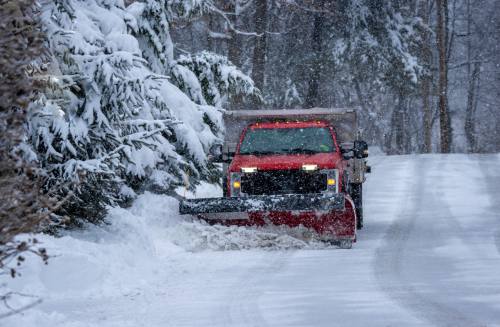
Winter in Illinois brings snow, ice, and hazardous road conditions that drastically affect driving safety. Many Illinois drivers ask: Are tire chains illegal in Illinois? The short answer is no, tire chains are not illegal, but their lawful use depends on specific conditions and safety considerations. Understanding the law, how winter driving contributes to car accidents, and what to do if you’re injured in a snow-related crash is essential.
What the Law in Illinois Says About Tire Chains
Contrary to common myths, Illinois law does not prohibit the use of tire chains on vehicles during winter weather. A provision in the Illinois Vehicle Code states:
“…Nothing in this Section shall be deemed to prohibit the use of tire chains of reasonable proportion upon any vehicle when required for safety because of snow, ice or other conditions tending to cause a vehicle to skid.”
This means:
- Tire chains are permitted when safety necessitates their use due to snow, ice, or slippery road conditions.
- There is no blanket ban on tire chains in the state.
However, there are important caveats:
- Chains should be of reasonable size and proportion to avoid road surface damage.
- Using tire chains on dry pavement or in conditions where they are not needed can harm the roadway and potentially lead to fines or liability (under general roadway damage provisions).
- Local ordinances or municipal rules may still influence where and how chains can be deployed in specific areas.
Unlike some mountain states with “chain laws” that require chains or alternates during heavy storms, Illinois simply permits chains when conditions make them necessary, not based on a seasonal mandate.
Why Tire Chains Matter (and When They’re Useful)
Tire chains are traction devices that wrap around tires to improve grip. They’re especially useful when roads are covered with thick snow or ice, and regular tires, even all-season or winter tires, may struggle to maintain traction.
Proper use cases for tire chains:
- Deep snow on rural roads or highways
- Ice buildup after a storm before plows have cleared
- Off-highway travel where state or local authorities advise slow, traction-enhanced driving
Many Illinois drivers never use chains because plow crews clear state roads quickly and winter tires or all-season tires often provide sufficient traction. But in extreme storms or secondary roads, chains can meaningfully improve vehicle control.
Winter Driving and Car Accident Risks in Illinois
Understanding winter crash statistics puts the tire chain discussion in context: winter weather conditions significantly increase crash risk.
National and State Crash Data
- Approximately 24% of all weather-related vehicle crashes occur on snowy, slushy, or icy pavement each year, and 15% happen during active snowfall or sleet.
- In 2023, U.S. traffic data reported 320 fatal traffic crashes and 22,293 injury crashes occurring when snow or sleet was present.
- National Highway Traffic Safety Administration figures show that over 1,300 people are killed and more than 116,000 are injured annually in crashes on snowy, slushy, or icy pavement.
- In Illinois, winter conditions contribute to an average of more than 5,000 crashes each winter season due to snow and ice.
These figures illustrate that winter weather in Illinois is more than a nuisance, it’s a serious safety hazard.
How Snow and Ice Increase Crash Risk
Snow and ice affect driving conditions in several ways:
- Reduced traction: Tires have less grip, increasing stopping distances and risk of skidding.
- Limited visibility: Snowfall and blowing snow diminish drivers’ ability to see other vehicles and road hazards.
- Rapid condition changes: Roads can go from clear to dangerously slippery in a short period, surprising unprepared drivers.
Common Misconceptions About Tire Chains in Illinois
Many drivers mistakenly believe chains are illegal in Illinois because:
- They rarely see them used on cleared highways.
- Most passenger vehicles rely on winter or all-season tires instead.
- Local ordinances in some cities may discourage chains to prevent road damage.
However, the state statute is clear that chains are lawful where safety requires them, and there is no statewide ban.
Car Accidents Caused by Snow and Ice: How They Happen
Crashes in snowy and icy conditions often involve scenarios that legal claims frequently analyze:
- Loss of vehicle control due to slippery surfaces.
- Rear-end collisions after vehicles cannot stop in time.
- Multi-vehicle pileups in low visibility situations.
- Intersection crashes from sliding through stops or turns.
Because winter conditions increase stopping distances and reduce driver visibility, courts and insurers often scrutinize whether drivers exercised reasonable care given the conditions. In Illinois, every driver has a duty to operate their vehicle safely under the circumstances, even in snow and ice.
When to Contact an Attorney After a Winter Crash
If you’ve been injured in a snow-related car accident in Illinois, contact an experienced personal injury attorney. Crashes in slippery conditions can have complex legal and insurance issues, including:
- Establishing fault when multiple drivers are involved
- Assessing whether weather conditions were a factor
- Demonstrating negligence even in difficult conditions
Your attorney can guide you through evidence collection, negotiations, and, if necessary, litigation to pursue compensation for medical bills, lost income, pain and suffering, and other damages.
Frequently Asked Questions about Tire Chains in Illinois
Q: Are tire chains illegal in Illinois?
A: No, tire chains are legally permitted when required for safety due to snow, ice, or conditions that make roads slippery.
Q: Can I use chains on dry pavement?
A: It’s not advisable. Chains can damage road surfaces and could expose you to liability if used where conditions don’t require them.
Q: Do I still need winter tires if chains are permitted?
A: Yes. Winter tires provide traction for most slippery conditions and are easier and safer to use on daily routes than chains for typical snow events.
Q: Are there penalties for misusing chains?
A: While the statute doesn’t spell out a fine specifically for chains, improper use that damages roads or violates local ordinances could lead to fines or liability for repair costs.
Q: What if I’m injured in a winter weather car accident?
A: If another driver’s negligence contributed to your crash, whether through speed, failure to adjust for conditions, or other unsafe behaviors, you may be entitled to compensation. Consulting an experienced Illinois car accident attorney can help protect your rights.
Contact the Illinois Winter Weather Car Accident Lawyers at John J. Malm & Associates
Understanding Illinois law on tire chains helps dispel myths and equips drivers with knowledge they need during winter weather. The bottom line: tire chains are not illegal in Illinois when used properly for safety, and winter conditions continue to present real risks that contribute to thousands of accidents each year.
If you or a loved one has been injured in a winter weather car accident, don’t navigate the aftermath alone. Contact our experienced Illinois personal injury firm today for a free consultation and trusted advocacy. We’ll help you understand your rights and pursue the full compensation you deserve.