- Free Consultation: (630) 527-4177 Tap Here to Call Us














What to Do If an Insurance Adjuster Underestimates Your Back Injury


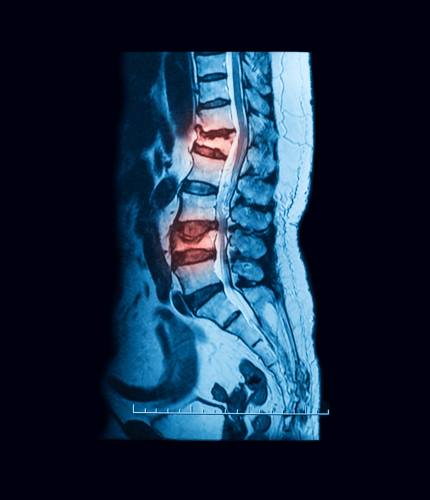
Back injuries are among the most commonly disputed and underestimated claims in personal injury cases. Insurance adjusters frequently downplay these injuries as “soft tissue” issues, even when victims are dealing with herniated discs, nerve damage, or long-term chronic pain. The reality is that back injuries can be life-altering, expensive, and difficult to fully diagnose in the early stages.
The stakes are high. More than 31 million Americans experience back pain at any given time, and up to 80% of people will suffer from back pain during their lifetime. Back injuries are also one of the leading causes of disability and missed workdays, with tens of millions of workdays lost each year.
If an insurance adjuster is undervaluing your claim, it is critical to understand both the tactics being used and the steps you can take to protect your rights.
“Insurance companies often treat back injuries like they’re temporary inconveniences, but for many people, they are permanent disruptions to their ability to work, move, and live comfortably. If your injury is being minimized, you need someone who will make sure your story and your future are fully accounted for.” – John J. Malm, Illinois back injury attorney
Why Insurance Adjusters Often Undervalue Back Injuries
Insurance companies are businesses focused on minimizing payouts. Back injuries are especially vulnerable to underestimation because they are often:
- Difficult to “see” on imaging early on
- Subjective in terms of pain and limitations
- Capable of worsening over time
- Associated with pre-existing conditions
Adjusters may argue that your injury is minor, unrelated to the accident, or likely to resolve quickly. However, medical data tells a different story. Approximately 10% of back pain cases become chronic, lasting months or years and requiring ongoing care.
Additionally, back injuries account for 28–35% of all workers’ compensation claims and affect hundreds of thousands of workers annually. This prevalence often leads insurers to treat them as routine, when in reality, each case must be evaluated individually.
Signs the Adjuster Is Undervaluing Your Claim
Recognizing undervaluation early can help you avoid accepting a low settlement. Common warning signs include:
- A quick settlement offer before you complete treatment
- Claims that your injury is “minor” or “temporary”
- Ignoring future medical care or long-term limitations
- Disputing diagnostic findings like MRI results
- Blaming pre-existing conditions
- Downplaying your pain or daily limitations
If you encounter these tactics, it is a strong indication that your claim is not being fairly assessed.
Immediate Steps to Take After a Lowball Offer
If an adjuster underestimates your back injury, you should take deliberate and strategic action. This is not the time to negotiate casually or accept assumptions about your condition.
1. Continue Medical Treatment and Follow Doctor Recommendations
Consistent medical care is essential, not just for your recovery, but for documenting your injury. Gaps in treatment can be used against you.
Make sure to:
- Attend all appointments
- Follow prescribed therapies
- Report all symptoms, even if they seem minor
- Seek specialist care when necessary
Back injuries often evolve over time, and early symptoms may not reflect the full extent of the damage.
2. Obtain Objective Medical Evidence
Insurance companies rely heavily on documentation. Strengthening your claim requires objective evidence such as:
- MRI or CT scan results
- Physical therapy records
- Specialist evaluations (orthopedic or neurological)
- Functional capacity evaluations
This evidence can counter arguments that your injury is “soft tissue” or insignificant.
3. Document the Full Impact of Your Injury
Back injuries affect more than just your physical health. You should document how the injury impacts your:
- Ability to work
- Daily activities (lifting, walking, sitting)
- Sleep and overall quality of life
- Mental health and emotional well-being
Keeping a daily pain journal can be particularly effective in demonstrating the ongoing nature of your condition.
4. Do Not Accept the First Settlement Offer
Initial settlement offers are almost always lower than the true value of a claim. Once you accept, you typically waive your right to seek additional compensation, even if your condition worsens.
Given that back pain can become chronic and require long-term care, accepting an early offer can be a costly mistake.
5. Calculate the True Value of Your Claim
A fair settlement should account for both current and future damages, including:
- Medical expenses (past and future)
- Lost wages and reduced earning capacity
- Pain and suffering
- Rehabilitation and therapy costs
The economic impact of back pain in the United States is substantial, with total costs reaching tens of billions of dollars annually due to treatment and lost productivity.
6. Consult an Experienced Personal Injury Attorney
When an adjuster undervalues your claim, legal representation can make a significant difference. An Illinois personal injury attorney can:
- Gather and present medical evidence
- Work with expert witnesses
- Handle negotiations with insurers
- File a lawsuit if necessary
Insurance companies are far less likely to undervalue a claim when they know an experienced attorney is involved.
The Long-Term Risks of Undervaluing Back Injuries
One of the most dangerous aspects of a low settlement is that it fails to account for future complications. Back injuries are not always static—they can worsen over time or lead to secondary conditions such as:
- Chronic pain syndromes
- Degenerative disc disease
- Nerve damage (radiculopathy)
- Reduced mobility and disability
Studies show that millions of Americans suffer from chronic back pain that limits daily activities, highlighting the long-term risks of underestimating these injuries.
Frequently Asked Questions about Back Injury Personal Injury Claims
Q: How do I prove my back injury is serious?
A: You need a combination of medical records, diagnostic imaging, and consistent treatment history. Expert opinions from specialists can also strengthen your case.
Q: What if I had a pre-existing back condition?
A: You can still recover compensation. Illinois law allows recovery if the accident aggravated or worsened a pre-existing condition. The key is showing a clear change in your symptoms after the incident.
Q: Why do insurance companies dispute back injuries so often?
A: Because they are harder to quantify than visible injuries. Adjusters often rely on this ambiguity to reduce payouts.
Q: Should I talk to the insurance adjuster directly?
A: It is best to be cautious. Anything you say can be used to minimize your claim. Once you hire an attorney, they can handle all communications on your behalf.
Q: How long should I wait before settling my claim?
A: You should generally wait until you reach maximum medical improvement (MMI) or have a clear understanding of your long-term prognosis.
Q: What if my pain gets worse after I settle?
A: In most cases, you cannot reopen your claim after settlement. That is why it is critical to fully evaluate your injury before accepting any offer.
Contact John J. Malm & Associates for Help with Your Back Injury Claim
When an insurance adjuster underestimates your back injury, they are not just disputing your claim, they are minimizing the real impact the injury has on your life, your work, and your future. You should not have to fight that battle alone.
At John J. Malm & Associates, we understand the medical complexity and long-term consequences of back injuries. We work closely with doctors, specialists, and experts to build strong cases that reflect the full scope of our clients’ damages. Our goal is simple: to ensure you are treated fairly and compensated fully.
If you or a loved one has suffered a back injury and received a low settlement offer, now is the time to act. Contact our office today for a free consultation. We will review your case, explain your options, and fight to secure the compensation you deserve.